

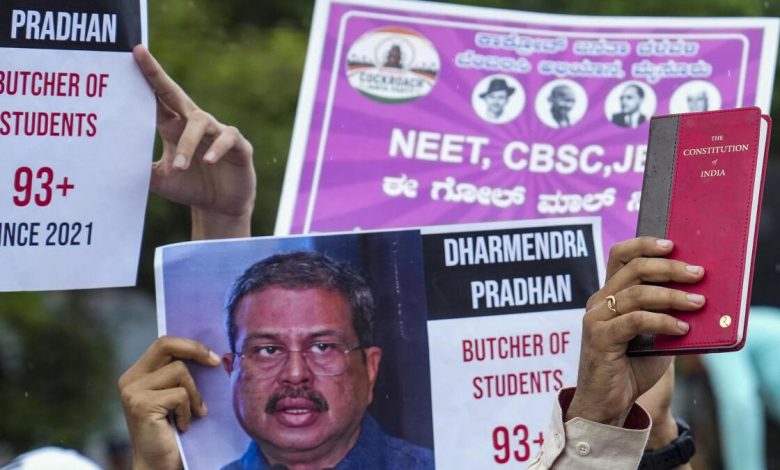
In a recent development stirring educational circles, questions have been raised about the integrity of the CBSE-OSM examination process, specifically focusing on the limited scrutiny of answer scripts. When only a small fraction of answer sheets undergo independent verification, concerns multiply regarding the potential oversight of digitization errors, verification flaws, and inadequacies during re-evaluation.


Experts argue that the current sampling approach may have allowed significant discrepancies to remain hidden, thus undermining the credibility of examination results. The examination board’s reliance on digital processes, while streamlining operations, also introduces risks that were insufficiently addressed due to limited transparency.
Sachin Sahare Chindwara-Express
Best Corrugated Box Mfr. in Vapi, Pardi, Daheli, Valsad Vidhisha Paper Mill
Best ENT Clinic in Pune Dr. Yande’s Speciality Daycare
Best Dental Clinic in Pune Jahangir Oracare dental Care
Digi Savvy Launched New Digital Platform dedicated to Real Estate Marketing
Cleanliness Campaign in Chander Vihar by Gauri Shankar Foundation
Gitz Green Energy Powering India’s Sustainable
The Cyber Security Movement Quietly Shaping India’s Next Generation
From Microphone to Manuscripts RJ Aman Singh
RJ Aman Singh Radio Jockey
Recognizing the gravity of the situation, educational analysts and stakeholders have proposed a straightforward but impactful solution: a seven-day transparency framework. This proposal advocates for opening every answer script to public and independent review within a week of results declaration, allowing students, educators, and third-party reviewers to verify and validate scores.
The suggested framework aims to restore confidence in the CBSE-OSM evaluation system by ensuring accountability and minimizing mistakes stemming from digitization or human error. Transparency, it is argued, will foster trust among students and parents while promoting the highest standards of examination administration.
Moreover, this proposal could set a precedent for examination boards across the nation, highlighting the importance of openness in academic assessments. It may also catalyze the adoption of robust verification technologies and methodologies, further safeguarding the credibility of exam results.
In conclusion, while the digitization of answer scripts brought efficiency, the limited scrutiny under current practices leaves room for improvement. Implementing a seven-day transparency window could be the pivotal step needed to resolve existing crises and fortify the public’s trust in the examination system.