
Tamil Nadu and Odisha Offer Alternative Approaches as Bengal Removes Eggs from Mid-Day Meals
Tamil Nadu and Odisha Introduce Innovative Alternatives Following Bengal's Removal of Eggs from Mid-Day Meal Program
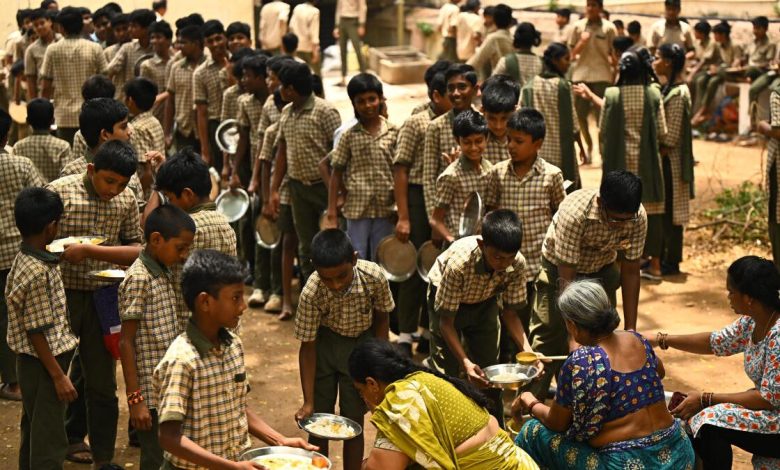
Kolkata, April 27, 2024 – In a significant development affecting India’s mid-day meal schemes, West Bengal has recently decided to exclude eggs from its school meal program. This move has prompted neighboring states Tamil Nadu and Odisha to explore and implement alternative nutritional strategies to ensure the health and well-being of schoolchildren.


West Bengal’s decision to drop eggs—a rich source of protein and essential nutrients—from its mid-day meals has sparked discussion across educational and nutritional forums. Officials from the state’s education department cite cultural preferences and local dietary habits as reasons behind the removal. However, the decision has raised concerns about the possible nutritional gap created in students’ diets.
Sachin Sahare Chindwara-Express
Best Corrugated Box Mfr. in Vapi, Pardi, Daheli, Valsad Vidhisha Paper Mill
Best ENT Clinic in Pune Dr. Yande’s Speciality Daycare
Best Dental Clinic in Pune Jahangir Oracare dental Care
Digi Savvy Launched New Digital Platform dedicated to Real Estate Marketing
Cleanliness Campaign in Chander Vihar by Gauri Shankar Foundation
Gitz Green Energy Powering India’s Sustainable
The Cyber Security Movement Quietly Shaping India’s Next Generation
From Microphone to Manuscripts RJ Aman Singh
RJ Aman Singh Radio Jockey
In contrast, Tamil Nadu and Odisha have responded by enhancing their meal programs with other high-protein and nutrient-rich foods. Tamil Nadu continues to include eggs in its menu but supplements them with pulses and fortified foods to cover a broader range of nutritional needs. Odisha, on the other hand, has introduced a variety of innovative food items such as millets, legumes, and locally sourced vegetables to maintain the balance of micronutrients and proteins.
Experts emphasize the importance of mid-day meals in combating malnutrition and promoting regular school attendance. Nutritionist Dr. Ananya Bose explains, “Mid-day meal schemes are crucial for children’s health, especially in rural and underprivileged areas. Removing eggs might lower protein intake unless effectively replaced with other nutritious alternatives.”
The respective state governments highlight that their approaches are tailored to their unique demographic and cultural contexts, ensuring that students receive meals that are both acceptable and nutritious. Tamil Nadu’s Education Minister remarked, “We are committed to providing balanced meals that encourage healthy growth and support the cognitive development of our children.” Similarly, Odisha’s authorities have partnered with local agricultural cooperatives to incorporate indigenous foods that boost nutrition while promoting sustainable farming.
As debates about the best practices for mid-day meal programs continue, the experiences of these states provide valuable insights into customizing nutrition policies based on regional needs. The government of India is closely monitoring these developments to inform future guidelines and recommendations.
In conclusion, while West Bengal has opted to remove eggs from its mid-day meal scheme due to specific regional considerations, Tamil Nadu and Odisha demonstrate alternative pathways to ensure students receive comprehensive nutrition. This divergence underscores the need for flexible, context-sensitive approaches in the implementation of national nutrition programs.