

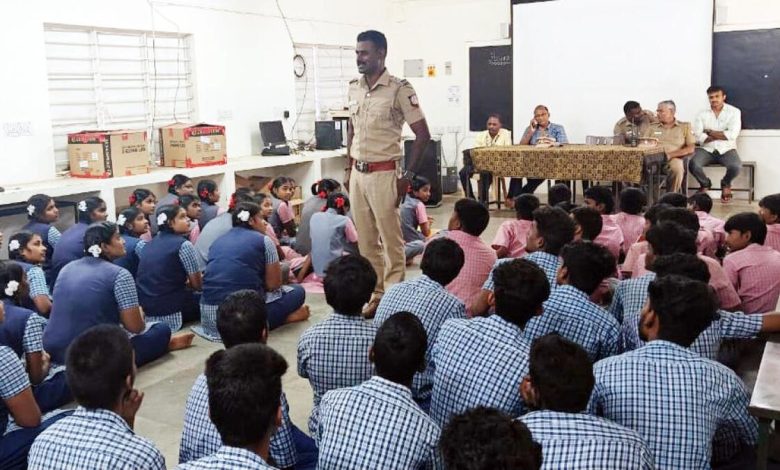
Addressing Drug Abuse on Campuses: Moving Beyond Awareness Days
Drug abuse among college students remains a significant public health concern across campuses worldwide. While many institutions organize awareness days and campaigns, experts emphasize the necessity of sustaining efforts throughout the year to effectively tackle the issue.


Recent studies show that drug abuse not only impairs academic performance but also endangers mental health and overall well-being. According to the National Institute on Drug Abuse, nearly one-third of college students reported using illicit drugs in the past year, highlighting the widespread nature of the problem.
Campus officials and health professionals argue that single-day awareness campaigns, while useful for raising initial attention, are insufficient to bring about lasting changes in student behavior. Instead, they recommend a continuous approach involving education, mental health support, peer mentoring, and accessible rehabilitation programs.
Sachin Sahare Chindwara-Express
Best Corrugated Box Mfr. in Vapi, Pardi, Daheli, Valsad Vidhisha Paper Mill
Best ENT Clinic in Pune Dr. Yande’s Speciality Daycare
Best Dental Clinic in Pune Jahangir Oracare dental Care
Digi Savvy Launched New Digital Platform dedicated to Real Estate Marketing
Cleanliness Campaign in Chander Vihar by Gauri Shankar Foundation
Gitz Green Energy Powering India’s Sustainable
The Cyber Security Movement Quietly Shaping India’s Next Generation
Universities are increasingly adopting screening methods during routine health check-ups to identify students at risk. Coupled with ongoing counseling services, these strategies aim to reduce the stigma around seeking help, encouraging more students to come forward.
Educational workshops that address not only the dangers of drug use but also coping strategies for stress and peer pressure are critical components of these year-round programs. Student organizations play a pivotal role by creating peer-led support networks, fostering a community of accountability and empathy.
The implementation of comprehensive policies also contributes substantially. This includes clear disciplinary procedures, combined with rehabilitative rather than purely punitive measures. Collaboration between campus authorities, local law enforcement, and healthcare providers ensures a balanced approach that prioritizes the health and safety of students.
Experts also call for increased funding from both governmental and private sectors to maintain and expand these initiatives. By integrating drug abuse prevention into campus culture continuously, universities can build resilient communities that empower students to make healthier choices.
Overall, tackling drug abuse on campuses demands persistent and multifaceted efforts rather than one-off awareness events. As educators and policymakers work together, it becomes increasingly possible to promote safer and more supportive academic environments.