
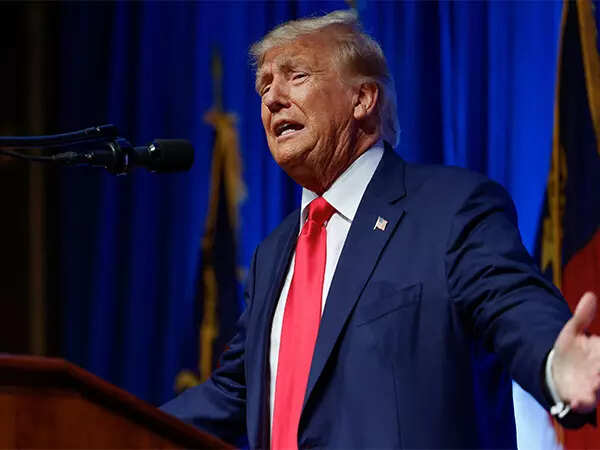
Washington, D.C.: Concerns are growing over the Trump administration’s approach to the risks associated with artificial intelligence (AI).
The debate has intensified following reports of security breaches involving AI agents developed by major companies, including OpenAI and Anthropic.
Critics are questioning whether the administration is moving quickly enough to address emerging AI security and safety risks.
Questions Grow Over AI Regulation
AI technology is developing rapidly. New AI systems are being used across industries such as finance, healthcare, technology, and defense.
However, the rapid growth of AI has also raised concerns about cybersecurity, privacy, misinformation, and potential misuse.
Cybersecurity experts have called for stronger safeguards as AI systems become more powerful and widely deployed.
Security Breaches Raise Concerns
Recent incidents involving AI systems have increased attention on their potential vulnerabilities.
Security researchers argue that weaknesses in advanced AI tools could create risks for users, businesses, and critical infrastructure.
These concerns have increased pressure on policymakers to establish clearer security standards.
Administration Faces Criticism Over Voluntary Measures
The administration has promoted voluntary cybersecurity testing for AI models as part of its response.
Critics, however, argue that voluntary measures may not be enough.
They have called for clearer requirements covering:
- AI security testing
- Risk assessment
- Data protection
- Model safety
- Incident reporting
- Independent oversight
Without enforceable standards, some experts worry that companies may not have sufficient incentives to address emerging risks.
Concerns About Political Influence
The debate has also raised questions about the relationship between technology companies and political decision-making.
Reports about financial contributions from technology companies to Trump’s political campaigns have prompted scrutiny from critics.
Some observers have questioned whether these relationships could influence the administration’s approach to AI regulation.
However, allegations about political influence should be distinguished from established evidence of policy decisions being directly shaped by donations.
Balancing Innovation and Safety
Policymakers face a difficult challenge.
AI can support innovation and economic growth. At the same time, poorly managed AI risks could affect important sectors and public safety.
AI in Critical Industries
AI systems are increasingly being used in areas such as:
- Healthcare
- Financial services
- Defense
- Transportation
- Cybersecurity
- Public services
Because of this growing adoption, policymakers face increasing pressure to establish effective safety standards without unnecessarily slowing technological development.
Calls for Stronger AI Policies
The debate has led to growing calls for more transparent and enforceable AI policies.
Experts argue that effective regulation should provide clear responsibilities for AI developers while allowing room for continued innovation.
Some policymakers have also called for bipartisan cooperation to create rules that can remain effective as AI technology evolves.
Transparency Remains a Key Issue
Political donations and relationships between government officials and technology companies are likely to remain under scrutiny.
Greater transparency could help address public concerns and strengthen confidence in AI policymaking.
At the same time, regulators face pressure to respond quickly as AI systems become more capable.
What Comes Next?
The debate over AI regulation is likely to continue as governments and technology companies respond to new security challenges.
The key question is how policymakers can encourage AI innovation while protecting users, businesses, and critical infrastructure.
For many experts, the answer will require a combination of strong cybersecurity standards, transparency, independent oversight, and cooperation between government and industry.