

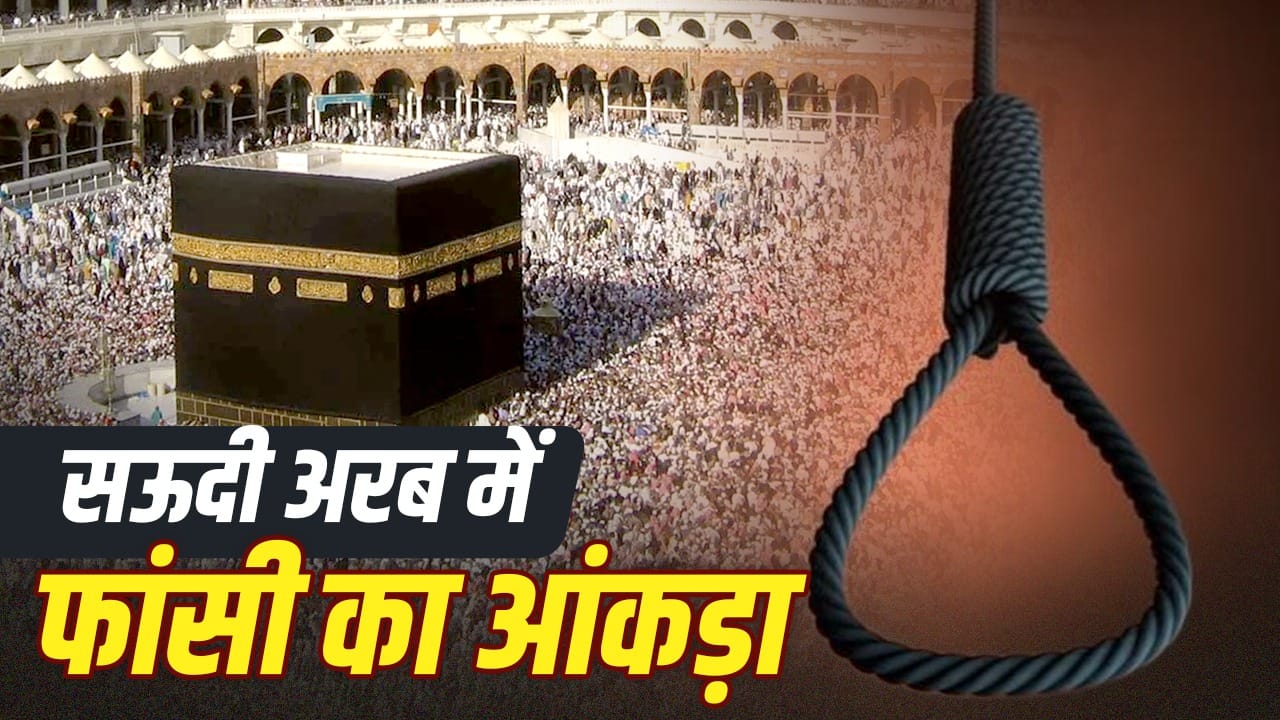
Many people from impoverished countries migrate abroad in search of better opportunities. Thousands from Bangladesh, for example, travel to Saudi Arabia hoping to support their families. However, some of these migrant workers face the harshest punishment – the death penalty – in the very country where they seek livelihoods. Recently, a Bangladeshi man and woman were executed in Mecca.
Death Sentences for Foreign Nationals in Saudi Arabia
The issue of foreign nationals receiving the death penalty in Saudi Arabia is not new. Amnesty International has raised concerns regarding the fairness of the judicial process, fair trials, and access to legal assistance, especially for migrant workers from poorer countries. Language barriers, limited access to lawyers, and being far from family significantly complicate their ability to obtain justice. Still, nationality or economic background alone cannot explain or justify these sentences.
According to Saudi Arabia’s Ministry of Interior, Nazrul Islam Abdul Basir and Siti Akhtar were convicted of committing immoral acts inside a mosque in Mecca. Saudi Press Agency reported the court sentenced them to death considering the severity of the crime and the sanctity of the mosque. However, authorities did not release full details of the incident.
Execution and Appeals
The couple’s death sentence was upheld by the Supreme Court after an appeal from the lower court’s decision. Subsequently, by royal decree, they were executed on October 14. The Bangladesh Commercial Office in Jeddah stated it was not informed beforehand about the executions. The office sent a formal request for confirmation to Saudi Arabia’s Ministry of Foreign Affairs.
Use of the death penalty in Saudi Arabia has long drawn international scrutiny. Reuters reports that as of this year, 330 people have been executed. Amnesty International’s past data also shows foreign nationals frequently receive capital punishment in the kingdom.
Among those executed are 21 Pakistani, 20 Yemeni, and 14 Syrian nationals. Nigerians number 10, Egyptians 9, Jordanians 8, and Ethiopians 7. Sudanese, Indian, and Afghan nationals each total three, while Sri Lankan, Eritrean, and Filipino nationals each had one execution.
Historical Perspective on Executions
In 2007, at least 158 people were executed, including 76 foreign nationals. In 2008, about 102 were executed, with roughly 40 foreigners. These historical figures serve as a benchmark to compare current execution trends.
One notable case involved eight Bangladeshi migrant workers who were publicly beheaded on October 7, 2011, in Riyadh. They were convicted in connection with the alleged killing of an Egyptian citizen in April 2007. Amnesty International reported the case stemmed from clashes between Bangladeshi workers and others over an alleged theft attempt in the workplace. Three others involved received prison and flogging sentences. Human rights organizations questioned the fairness and transparency of Saudi Arabia’s judicial procedures in this case.