

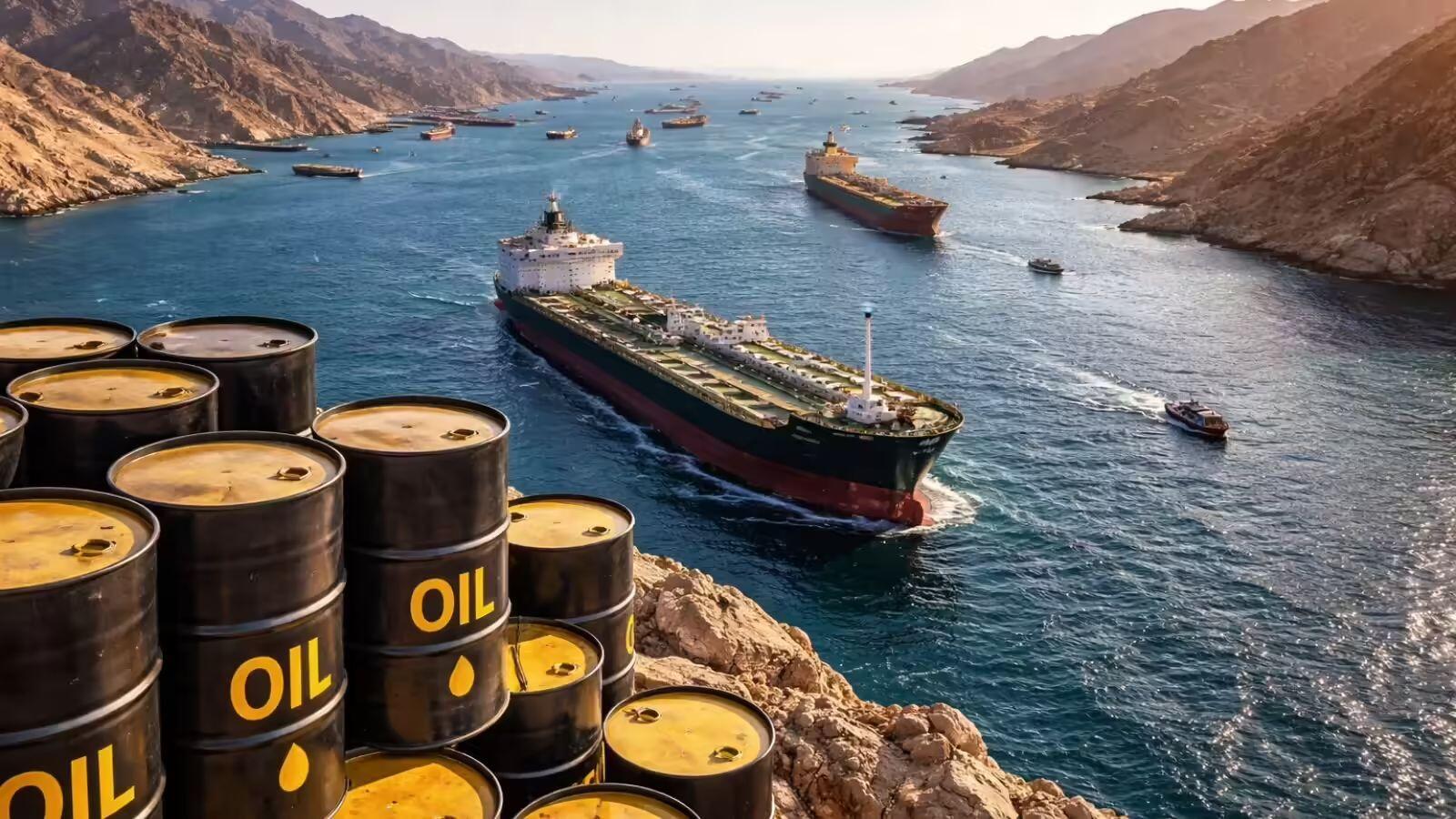
The rising tensions in the Middle East and increased risks in the Strait of Hormuz have dramatically raised crude oil shipping expenses. According to a report by Goldman Sachs, global shipping costs for crude oil have surged sevenfold within a year. This hike is notably pressuring Asian refinery companies that rely heavily on crude oil imports from other countries.
Refinery companies now face a challenging choice: either pass the increased costs onto consumers by raising petrol and diesel prices or absorb the expenses themselves, resulting in reduced profits. Should refineries reduce their output as a consequence, global fuel prices might also climb higher.
Sharp Increase in Shipping Costs
Goldman Sachs data indicate that about a year ago, the average crude oil transportation cost was nearly $3 per barrel worldwide. This figure has now soared to over $20 per barrel, marking an increase of approximately $17 per barrel within just twelve months. The report attributes more than half of this $20 rise per barrel to heightened conflict risks in the Strait of Hormuz and the increased practice of ship-to-ship oil transfers outside the Persian Gulf.
This week, Brent crude prices have surpassed $110 per barrel. At the time of the report, Brent was trading around $111.51 per barrel, while another major crude benchmark hovered near $99.31 per barrel.
Major Reasons Behind Rising Costs
The report outlines five key reasons driving the surge in shipping expenses: First, the conflict risk in the Strait of Hormuz raises a risk premium by about $7 per barrel on ships passing through this route. Second, the frequency of transferring oil ship-to-ship outside the Persian Gulf adds nearly $4 to the per-barrel cost.
Third, the rise in marine fuel costs has contributed an additional $4 per barrel. Fourth, inefficient tanker deployment and route diversions cause an extra $3 per barrel expense. Lastly, imposed sanctions on Iranian tankers have further increased costs by around $2 per barrel.
For countries like India, which import a significant portion of their crude oil, rising transportation costs pose serious concerns. Particularly for refineries purchasing crude from distant locations, expenses are expected to increase. While transport costs are not always fully factored into crude prices, higher shipping costs do impact refinery margins and expenses. Firms may try to switch to nearer suppliers to offset some of these costs.
If refinery companies decide to pass on the extra costs to consumers, petrol, diesel, and other fuel prices could rise. Conversely, if price hikes are not feasible, companies may incur lower profits. Markets where retail fuel prices are regulated could see greater financial strain on companies absorbing these costs.
Not all oil producers are equally affected by these increased expenses. Those selling to remote markets might have to offer deeper discounts to keep customers. In contrast, suppliers nearer to major consumption hubs could benefit from the situation. Goldman Sachs forecasts demand increases for relatively closer crude sources, such as Brent crude in Northwest Europe and Russia’s ESPO, as refineries might alter suppliers to reduce shipping costs.