

New Delhi, Delhi
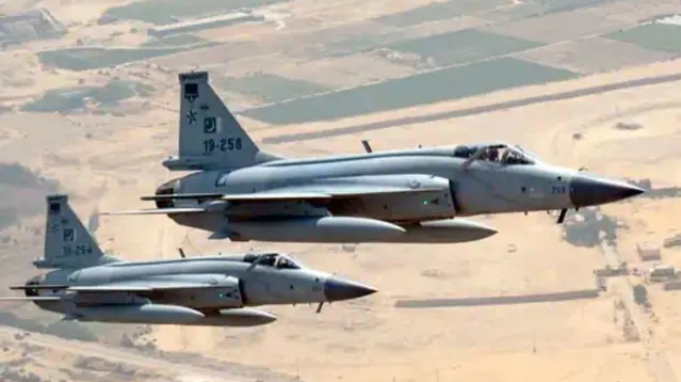
Several air forces around the world have reduced the size of their fighter aircraft fleets over the past few decades. However, despite having fewer aircraft, many countries have focused on maintaining combat effectiveness through advanced technology, sophisticated weapons, and improved operational capabilities. Against this changing military landscape, the Pakistan Air Force faces several challenges, including aging aircraft, high maintenance costs, and economic constraints.
Following the end of the Cold War, air forces across the world experienced a reduction in fleet sizes. India has also been affected by this broader trend. The Indian Air Force has an authorized strength of 42.5 squadrons, while its current operational strength is reportedly below 30 squadrons. According to the New Delhi-based Council for Strategic and Defence Research, the Indian Air Force had around 40 squadrons in 1996.
US Also Reduced Its Fighter Fleet
The decline in the size of air forces is not limited to India or Pakistan. The United States, which has the world’s highest defence expenditure, also significantly reduced the number of its tactical fighter aircraft after the Cold War.
According to the official publication Air & Space Forces Magazine, the US Air Force had approximately 4,500 tactical fighter aircraft at the end of the Cold War. That figure has since fallen to less than half.
Pakistan Faces a Bigger Challenge
For Pakistan, the challenge is not simply the size of its aircraft fleet. The country also has to deal with the difficulties of keeping older aircraft operational, ensuring the availability of spare parts, and bearing the rising costs associated with acquiring and maintaining modern military technology.
For a country facing significant economic pressures, maintaining continuous investment in advanced military capabilities is difficult. As a result, the Pakistan Air Force faces the challenge of making the most effective use of its existing resources while maintaining operational readiness within a constrained defence budget.
Modern air warfare is not determined solely by the number of aircraft available. Sensors, missiles, electronic warfare systems, pilot training, intelligence, and network-centric capabilities can play an equally important role.
For Pakistan, the key challenge is therefore to balance the maintenance and modernization of its existing platforms with investment in newer technologies, while operating under financial constraints. This balance will be critical to maintaining a credible and modern combat capability in the years ahead.