

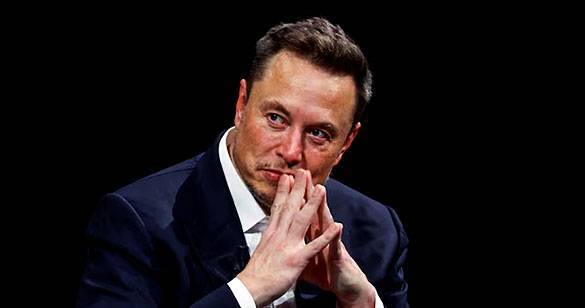
Just a few weeks after becoming the world’s first trillionaire, Elon Musk has suffered a major decline in his wealth. His net worth has nearly been cut in half. The biggest reasons are believed to be a sharp decline in SpaceX shares and weak performance by Tesla.
According to a Bloomberg report, Elon Musk’s total wealth reached a record $1.33 trillion on June 16. At the time, SpaceX shares closed at a high of around $202. However, his net worth has now fallen to approximately $684 billion. This means his wealth has declined by more than $600 billion in a relatively short period.
Major Decline in SpaceX Shares
SpaceX raised $75 billion through what was described as the largest IPO in history. The company’s issue price was $135 per share, while its shares were listed at $150. During the first three trading sessions, the stock surged by more than 50%. However, the rally did not last long.
SpaceX shares have now fallen approximately 46% from their peak to around $108.37. Experts believe the stock could face further pressure in the coming days due to the expiration of the IPO lock-up period. According to reports, around 911.5 million shares could become available for trading this month. The increase in supply could put additional pressure on the share price.
Tesla Adds to the Pressure
The decline in Elon Musk’s wealth is not limited to SpaceX. Shares of his electric vehicle company Tesla have also fallen by around 17% since the company released its second-quarter results on July 22.
Tesla reportedly missed profit expectations for the first time in more than two years and also reported negative free cash flow. The company said its expenses have increased significantly due to heavy investment in artificial intelligence and robotics.
Major Bet on AI and Robotics
Elon Musk plans to invest more than $25 billion this year, nearly three times as much as last year. His focus is increasingly moving beyond Tesla’s traditional automotive business toward AI-powered self-driving technology, robotaxis, and humanoid robots.
Musk believes these businesses could become Tesla’s biggest strengths in the future. According to the company, rising AI-related spending, lower average selling prices of vehicles, and reduced revenue from regulatory credits have affected profitability. However, vehicle deliveries have continued to increase.