

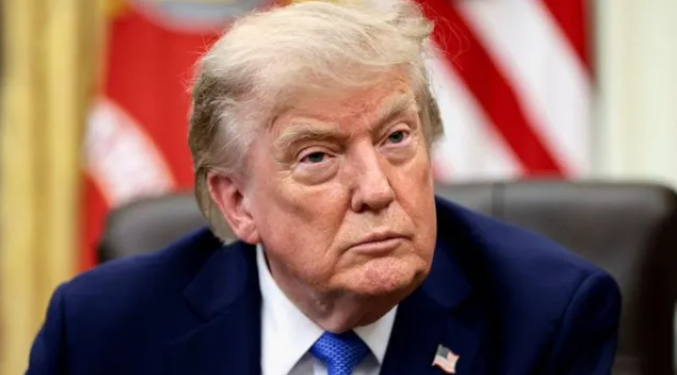
Washington, D.C.: U.S. President Donald Trump has signed two new executive orders aimed at restricting certain applications of birthright citizenship and cracking down on what his administration calls “birth tourism.”
The new measures come weeks after the U.S. Supreme Court rejected Trump’s earlier attempt to broadly restrict birthright citizenship.
The latest orders take a narrower approach and are expected to face further legal challenges.
Trump Targets ‘Birth Tourism’
One of the new executive orders focuses on birth tourism.
The term generally refers to foreign nationals traveling to the United States with the intention of giving birth so that their child can obtain U.S. citizenship.
The Trump administration has directed federal agencies to strengthen visa screening and take steps against people who allegedly misuse temporary visas for this purpose.
The administration argues that such practices exploit the U.S. immigration system.
New Order Seeks to Narrow Birthright Citizenship
The second executive order seeks to restrict automatic citizenship in certain narrowly defined circumstances.
According to the administration, the order addresses categories involving certain foreign government personnel, designated terrorist organizations and other situations that the White House argues fall outside the traditional protections of the 14th Amendment.
The administration says the measures are based on its interpretation of historical exceptions to birthright citizenship.
However, legal experts have questioned whether an executive order can create or expand such exceptions without conflicting with the Constitution.
What Does the 14th Amendment Say?
The 14th Amendment to the U.S. Constitution provides that people born or naturalized in the United States and subject to U.S. jurisdiction are citizens.
Birthright citizenship has therefore remained a major constitutional issue in the United States.
On June 30, 2026, the Supreme Court ruled against Trump’s earlier executive order that sought to deny automatic citizenship to certain children born in the United States to parents who were unlawfully or temporarily present in the country.
New Orders Follow Supreme Court Setback
The latest executive actions represent a different strategy from Trump’s earlier attempt.
Rather than applying a broad restriction to children of undocumented immigrants and temporary visitors, the new orders focus on specific categories and on alleged misuse of immigration and visa rules.
Reuters reported that the administration’s new approach includes efforts targeting suspected birth tourism and certain situations involving foreign government personnel and designated foreign terrorist organizations.
Legal Challenges Expected
The new orders are likely to face immediate legal challenges.
Constitutional scholars and immigration advocates argue that birthright citizenship is protected by the 14th Amendment and cannot simply be changed through executive action.
Supporters of Trump’s policy, however, argue that the orders address categories that they believe are outside the constitutional guarantee.
The courts will ultimately determine whether the new measures can be enforced.
Supporters and Critics React
Supporters of the administration say the orders are necessary to protect the integrity of the U.S. immigration system.
They also argue that stronger visa screening could help prevent the misuse of temporary visas and protect national security.
Critics, meanwhile, warn that the measures could create uncertainty for families and lead to prolonged constitutional litigation.
What Happens Next?
The future of the new birthright citizenship orders will largely depend on the courts.
Legal challenges are expected to test whether the administration’s interpretation of the 14th Amendment is constitutionally valid.
The issue is therefore likely to remain a major political and legal debate in Washington.
For now, the new executive orders mark another major development in Trump’s effort to reshape U.S. immigration policy. Their long-term impact will depend on court rulings, implementation by federal agencies and any further action by the Supreme Court.