

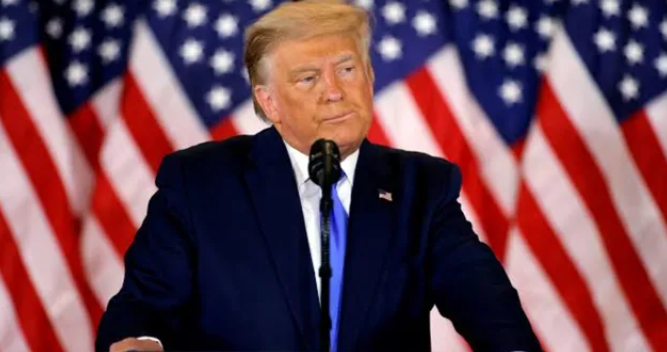
Washington, D.C., United States: U.S. President Donald Trump has claimed that the United States was prepared to launch what he described as the “biggest attack since World War II” against Iran.
Trump said the planned military action was halted after Iranian officials allegedly contacted Washington and sought talks.
However, Iran has disputed the account, and the details of the alleged military operation have not been independently verified.
Trump Says Iran Asked for Talks
Speaking in Las Vegas, Trump said Iran contacted the United States shortly before the planned military action.
According to Trump, Iranian officials asked Washington to hold discussions instead of proceeding with the attack.
Trump has not publicly provided detailed information about the alleged operation. He has also not specified its exact timing, military objectives or the number of forces and weapons that would have been involved.
Iran Disputes Trump’s Account
The claim about the alleged last-minute request for negotiations has become a major point of disagreement.
Reports indicate that Iran has denied that talks took place in the manner described by Trump. As a result, the president’s account remains disputed.
No independent evidence has been publicly presented that confirms the full details of the alleged planned attack.
US-Iran Tensions Remain High
Relations between Washington and Tehran have remained highly strained.
The two countries have been involved in repeated confrontations connected to Iran’s nuclear programme, regional security and the Strait of Hormuz.
Trump has repeatedly said that he prefers a diplomatic agreement but has also warned that military action remains an option if negotiations fail.
In July, Trump said he was considering a “massive attack” against Iran and described the potential operation as larger than previous U.S. strikes.
Military Action Could Affect Global Markets
Any major escalation between the United States and Iran could have consequences well beyond the Middle East.
A wider conflict could affect:
- Global oil prices
- Energy supplies
- Shipping through the Strait of Hormuz
- Regional security
- International financial markets
The Strait of Hormuz is particularly important because of its role in global energy transportation.
Diplomacy Remains a Key Focus
Despite continuing military tensions, diplomatic efforts have remained part of the discussions between the two countries.
Trump has said he would prefer to reach an agreement rather than continue military action.
At the same time, the administration has maintained pressure on Iran over its nuclear programme and other security issues.
Recent developments suggest that the situation remains fluid, with diplomatic and military options being considered simultaneously.
What Happens Next?
The future of U.S.-Iran relations will depend heavily on whether diplomatic discussions can produce a lasting agreement.
For now, Trump’s claim about the “biggest attack since World War II” remains a disputed account, while the exact details of the alleged operation have not been publicly established.
Further statements from Washington and Tehran will be closely watched for signs of renewed negotiations or another escalation in the conflict.