

New Delhi, Delhi
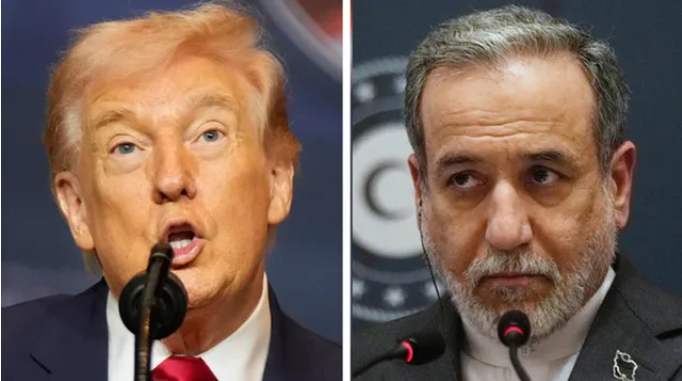
Tensions between the United States and Iran have intensified over the strategically vital Strait of Hormuz, with US President Donald Trump claiming that Washington has “full control” of the key waterway and Iranian Foreign Minister Abbas Araghchi warning the United States against acting on what Tehran describes as faulty intelligence.
The latest exchange comes amid the broader military confrontation involving Iran and the United States. Because the Strait of Hormuz is one of the world’s most important energy corridors, any disruption to shipping through the waterway could have consequences far beyond the region.
Araghchi Challenges Trump’s Claim
Iranian Foreign Minister Abbas Araghchi responded to Trump’s statement by questioning the quality of US intelligence assessments. In a post on X, Araghchi warned Washington to be careful and argued that “fake intelligence” could be more dangerous than fake news.
He also pointed to what Iran considers previous intelligence failures surrounding the conflict, warning that a similar miscalculation over the Strait of Hormuz could lead to a much more serious situation.
Iranian officials have separately rejected Trump’s assertion that the United States controls the waterway. Iran’s military has described the US claim as false and maintained that the strategic passage remains under Iranian control.
Why Is the Strait of Hormuz So Important?
The Strait of Hormuz connects the Persian Gulf with the Gulf of Oman and the wider Arabian Sea. Its geographical position makes it a crucial route for international energy shipments.
Large volumes of crude oil and other energy products traditionally pass through the waterway, making the security of maritime traffic there a major concern for global energy markets.
Any prolonged disruption could increase shipping costs, raise energy prices and put additional pressure on international supply chains. The possibility of military confrontation around the strait therefore remains closely watched by governments, traders and shipping companies.
A New Flashpoint in the US-Iran Conflict
The disagreement over who controls the Strait of Hormuz has added another sensitive dimension to the confrontation between Washington and Tehran.
For the United States, maintaining freedom of navigation through the waterway is a major strategic concern. For Iran, control over its surrounding waters and the ability to influence maritime traffic are important elements of its regional military posture.
The dispute is therefore not simply about rhetoric. Any attempt by either side to change the situation at sea could carry significant military and economic risks.
Global Energy Markets Remain on Alert
Despite fluctuations in crude oil prices, concerns over supply disruptions remain because of the continuing instability around the Strait of Hormuz and other key shipping routes in the region.
Market participants are particularly focused on whether commercial vessels can continue to move safely and predictably through the waterway. A prolonged reduction in maritime traffic could affect crude oil prices, insurance premiums and freight rates.
The latest statements from Trump and Araghchi have consequently drawn renewed international attention to the strait. While Washington says it has established control, Tehran disputes that assessment and has warned against what it sees as a potentially dangerous intelligence miscalculation.
As the wider conflict continues, the Strait of Hormuz remains one of the most sensitive strategic pressure points in the region, with developments there capable of affecting not only US-Iran relations but also global energy security.