

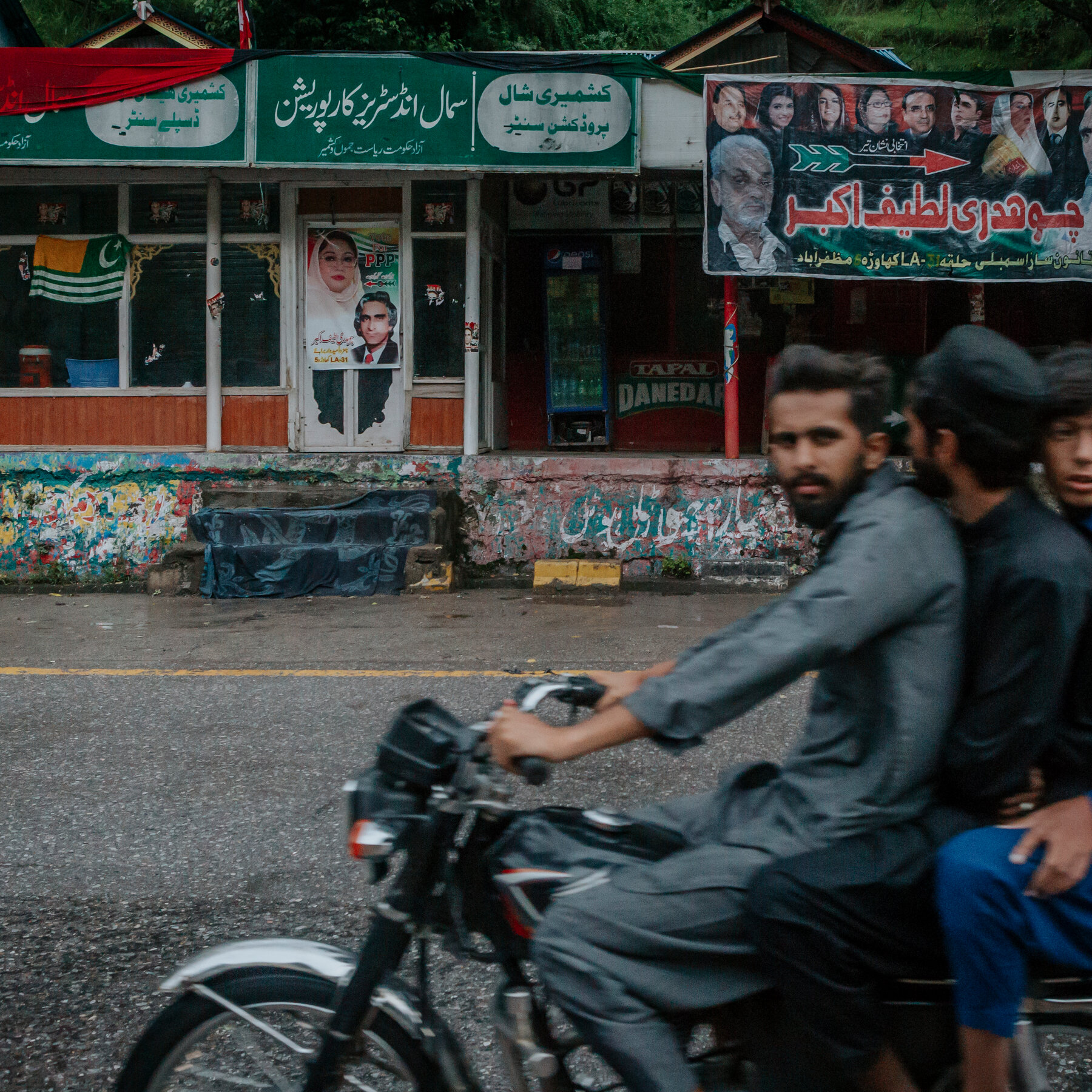
Islamabad, Pakistan – In the wake of growing unrest in the Kashmir region, Pakistani authorities have intensified measures to control the flow of information by placing strict restrictions on both local and foreign journalists reporting from the area. This move comes amid a broader protest movement in Kashmir that has increasingly challenged Pakistan’s authority, prompting officials to adopt a firmer stance on independent media coverage.
Journalists working within Kashmir have reported heightened surveillance and harassment, with several detained or questioned by security forces. Pakistani media watchdogs and human rights organizations have raised concerns over the implications of these restrictions for press freedom and the right of the public to receive impartial information.
The recent directives issued by Pakistan’s Information Ministry include the requirement of prior approval before any journalist can enter certain sensitive areas in Kashmir. Additionally, embedded reporters face limitations on what they can publish, often having to coordinate all reports with government agencies prior to releasing them. Foreign correspondents have similarly encountered visa delays, increased scrutiny, and sometimes expulsion from the region.
Government officials justify the crackdown by citing national security concerns, emphasizing the need to prevent misinformation and maintain public order during the ongoing protests. However, critics argue that these measures constitute censorship and undermine democratic principles by restricting transparency and accountability.
The situation in Kashmir remains volatile, with protests reflecting long-standing grievances related to governance and human rights. Independent reporting is vital in such contexts to ensure accurate global awareness and prevent the spread of propaganda or unverified claims. The international community has called on Pakistan to uphold the freedom of the press and provide safe access to journalists covering the region.
As tensions persist, media organizations within Pakistan and abroad remain vigilant, seeking ways to navigate these constraints while continuing to deliver credible reporting on Kashmir’s evolving political landscape. The crackdown marks a significant challenge for journalism in the country, highlighting the complex intersection of security, sovereignty, and the fundamental right to information.