

Chennai, Tamil Nadu: The Tamil Nadu government has announced a new initiative to help farmers reduce crop losses caused by wild animals.
The government plans to support the installation of solar-powered electric fencing in areas that are vulnerable to animal intrusion.
The initiative aims to protect crops while reducing human-wildlife conflict.
Wild Animals Cause Crop Damage
Crop damage from wild animals has been a long-standing problem for farmers in several parts of Tamil Nadu.
Wild boars, elephants, gaurs, and deer can enter agricultural fields and damage standing crops.
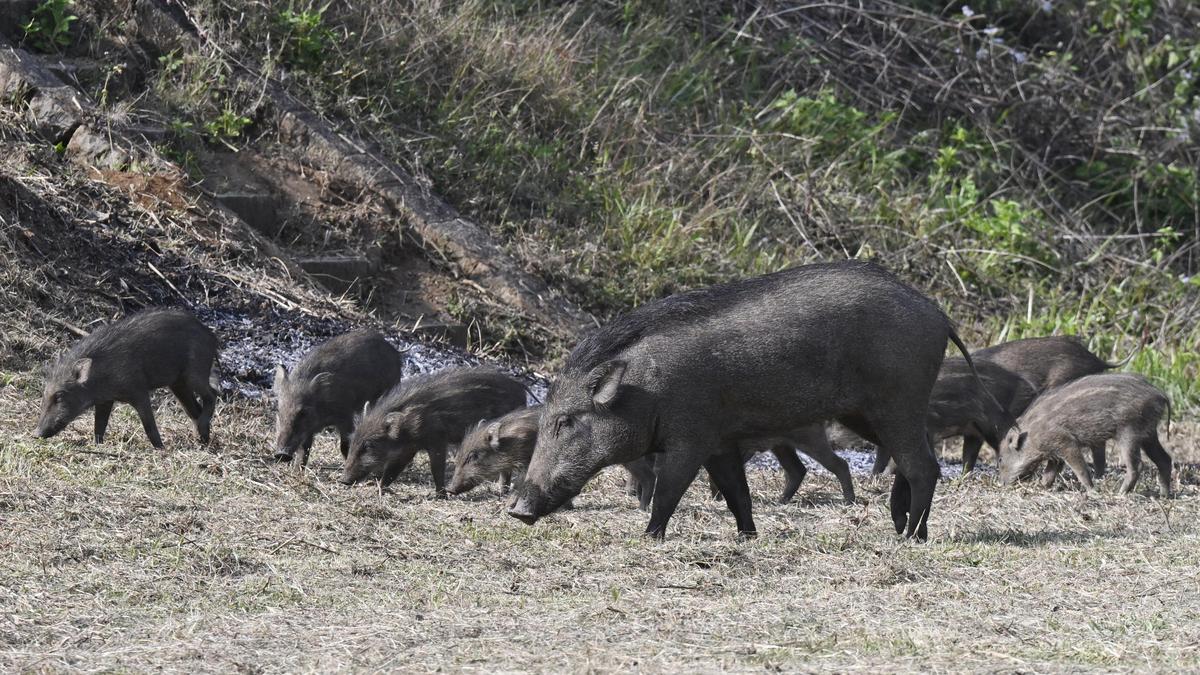
Wild boars are particularly known for destroying crops and causing financial losses for farmers.
Large animals such as elephants and gaurs can also cause significant damage when they enter farmland.
Solar-Powered Fencing Proposed
To address the problem, the Agriculture Department has proposed solar-powered electric fencing systems.
These fences use solar energy and can operate in rural areas where electricity supply may not always be reliable.
The fencing is designed to discourage animals from entering farmland without causing serious harm to them.
Subsidies to Help Farmers
The government plans to make the fencing systems available to farmers at subsidised rates.
This could make the technology more affordable for small and marginal farmers who may struggle to manage the financial impact of crop losses.
Support for Small Farmers
Small farmers are often more vulnerable to losses caused by wildlife.
By reducing the cost of fencing, the scheme could help more farmers protect their fields.
The government also plans to provide technical support and maintenance assistance.
How Solar Electric Fences Work
The proposed fencing systems will use low-voltage electric pulses to discourage animals from crossing the barrier.
The system is intended to act as a deterrent rather than cause serious injury.
Solar power will allow the fences to continue operating in remote locations where regular electricity connections may be limited.
Training and Maintenance Support
The scheme is expected to include technical assistance for farmers.
Training programmes could help farmers understand:
- Fence installation
- Safe operation
- Regular maintenance
- Solar power system management
- Basic troubleshooting
Proper maintenance will be important to ensure that the fencing remains effective throughout the cropping season.
Protecting Farmers and Wildlife
Experts have welcomed the proposal because it could provide benefits for both farmers and wildlife.
A non-lethal deterrent can help reduce the need for harmful measures against animals.
At the same time, farmers can protect their crops and reduce financial losses.
Reducing Human-Wildlife Conflict
Human-wildlife conflict has become an increasing concern in areas where agricultural land is located close to wildlife habitats.
Better preventive measures could help reduce encounters between farmers and wild animals.
Solar fencing could become one part of a broader strategy for managing these conflicts.
Farmers Hope for Better Crop Protection
Farmers affected by repeated crop damage are optimistic about the initiative.
If implemented effectively, subsidised solar fencing could help reduce losses and improve agricultural productivity.
The government is also expected to explore additional measures to support farmers and address wildlife-related challenges.
Conclusion
Tamil Nadu’s proposed subsidised solar-powered electric fencing scheme aims to protect crops from wild animals such as wild boars, elephants, gaurs, and deer.
The use of solar energy could make the system suitable for remote agricultural areas.
By combining crop protection with a non-lethal approach to wildlife management, the initiative could help protect both farmers’ livelihoods and wildlife.