

Muscat, Oman
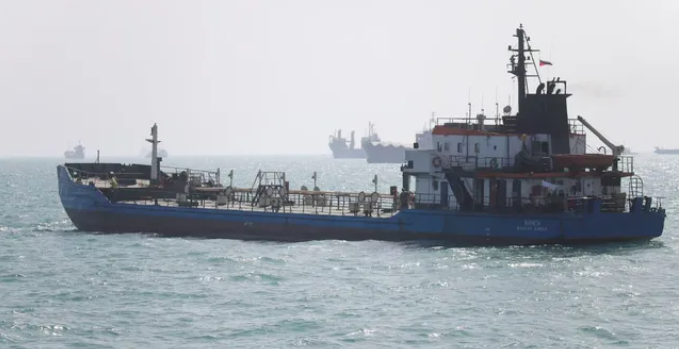
The United States has changed its strategy for protecting commercial tankers passing through the Strait of Hormuz. Following an increase in attacks on vessels allegedly carried out by Iran, the US has limited the duration of military air protection provided to commercial tankers transiting the strait.
Under the new arrangement, vessels will no longer receive continuous air protection throughout their transit. Instead, security will be provided during two designated transit windows each day.
The change comes at a time of heightened tensions in the Strait of Hormuz. One of the world’s most important oil transportation routes, the strait carries large volumes of crude oil and other energy products to international markets. Any military escalation in the area could therefore have significant consequences for global energy supplies and oil markets.
US Has Been Providing Air Protection to Tankers Since May
According to a report by the Financial Times, the United States had been providing air protection since May to vessels passing through the southern part of the Strait of Hormuz, near the coast of Oman.
The objective was to protect commercial vessels and oil tankers from the threat of Iranian attacks and help maintain the movement of maritime traffic through the strategically important waterway.
US military protection allowed some oil shipments to continue moving despite the tense security environment. However, amid increased attacks and growing regional tensions, Washington has now decided to scale back the protection arrangement.
Security to Be Provided During Two Fixed Transit Windows
Under the new system, commercial vessels will receive air protection during two designated transit slots each day, rather than continuous coverage.
This means vessels will need to plan their movements around these designated time windows in order to benefit from the available security.
The change could help reduce pressure on US military resources and allow security operations to be organised more efficiently. However, it will provide vessels with a more limited security shield compared with the previous arrangement.
Why Is the Strait of Hormuz So Important?
The Strait of Hormuz is a strategically vital maritime passage connecting the Persian Gulf with the Gulf of Oman and the Arabian Sea. It is a crucial route for the transportation of oil and other energy supplies from major producers in the Gulf region to international markets.
Because of its importance to global energy trade, any prolonged disruption or escalation in the Strait of Hormuz could affect shipping, oil prices, energy supplies, and the wider global economy.