

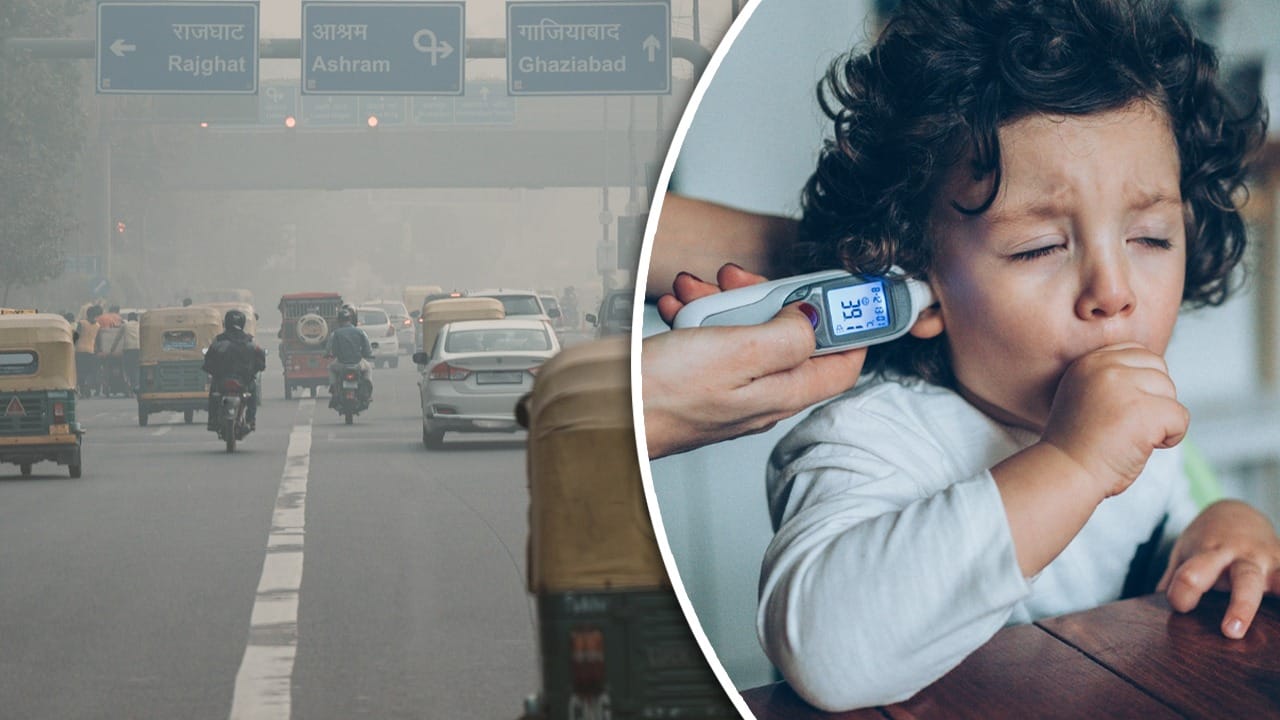
Protecting children from air pollution is crucial as their lungs are still developing. Although a child may appear healthy and active without coughing or breathing difficulties, pollution can silently affect their lung health. Tiny particles like PM2.5 in the air can penetrate deep into the lungs, causing inflammation that might not be immediately visible.
Children are more vulnerable to pollution because they breathe faster relative to their body size compared to adults. In addition, during physical activities like running and playing, they inhale larger amounts of polluted air, increasing their exposure to harmful particles.
Effects of Pollution on Children’s Lungs
Long-term exposure to polluted air can stunt lung development and reduce lung function. It also raises the risk of respiratory illnesses such as asthma. Children who already suffer from asthma or allergies may experience worsened symptoms due to air pollution, making it harder to manage their conditions.
Dr. Nikhil Rajwanshi, a Consultant Pediatric Pulmonologist at Rainbow Children’s Hospital, advises parents to monitor the Air Quality Index (AQI) regularly. When pollution levels spike, children should avoid strenuous outdoor activities like running and playing to minimize inhaling harmful particles.
Steps to Protect Children from Air Pollution
Parents should also keep indoor air clean by avoiding cigarette smoke, incense sticks, and other pollutants that can degrade air quality inside the home. Using air purifiers equipped with HEPA filters can significantly reduce fine particulate matter indoors, making the environment safer for children.
It is essential to be alert to telltale signs that pollution may be affecting a child’s respiratory health. Watch for persistent coughs, increased coughing at night, wheezing during breathing, or shortness of breath during play. Such symptoms warrant prompt medical evaluation.
Proactively taking precautions before symptoms appear is vital for protecting children’s lung health. Preventive measures and monitoring air pollution levels help reduce children’s exposure and the risk of long-term respiratory problems.
Addressing children’s vulnerability to air pollution through awareness and action can contribute to safeguarding their overall health and development in polluted environments.