
Discussing Equity, Ethical Technology, and Sustainable Development in Education
New Delhi, April 27, 2024 – As India’s higher education landscape rapidly evolves, experts emphasize the need for institutions to broaden their focus beyond mere economic advancement. Amidst growing discussions, educators and policymakers are urging universities to integrate ethical considerations, sustainability, and social leadership into their core curriculum to prepare students for the complex challenges of the future.


Traditionally, Indian higher education has prioritized economic growth and skills development aimed at enhancing employability. However, recent debates highlight that focusing solely on economic outcomes may overlook essential areas such as social responsibility, environmental stewardship, and ethical technology use. Many leaders in academia argue that students must be encouraged to ask difficult questions that challenge existing norms and contribute meaningfully to society.
“We need to redefine the purpose of education in India,” says Dr. Anjali Mehta, a senior education policy analyst. “It is crucial that students learn not just how to succeed economically but also how to act ethically and sustainably in a world facing pressing environmental crises and social disparities.”
Integrating these values into the curriculum involves fostering critical thinking about equity, encouraging multidisciplinary approaches to problem-solving, and developing leadership skills centered on social good. Institutions are increasingly experimenting with courses that explore the ethical implications of emerging technologies such as artificial intelligence, data privacy, and renewable energy.
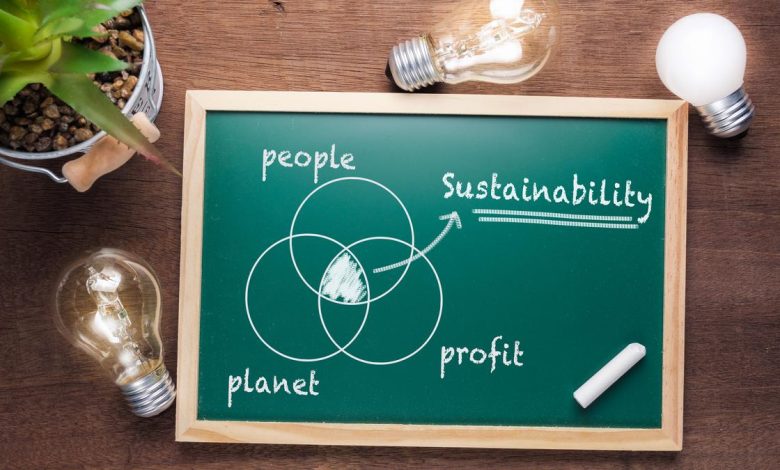
Moreover, sustainability education is gaining ground, advocating for responsible consumption, conservation efforts, and climate change awareness. Students are being prompted to consider how their professional choices impact communities and the planet at large.
There is also a growing consensus that universities must take active roles in shaping future social leaders who can champion inclusive growth and ethical governance. By doing so, higher education can serve as a catalyst for positive societal transformation rather than merely a stepping stone to financial success.
While challenges remain, including infrastructural constraints and the need for faculty training, stakeholders remain optimistic. “With the right policies and a commitment to holistic education, India can lead on global efforts to align growth with sustainability and ethics,” adds Dr. Mehta.
As the country strives towards its development goals, this paradigm shift in education seeks to ensure that the next generation is equipped not only with knowledge and skills but also with a deep sense of responsibility towards building a fairer and more sustainable society.