
U.S. officials say Iran deal calls for diluting uranium to minimum levels, waiving sanctions and opening the strait
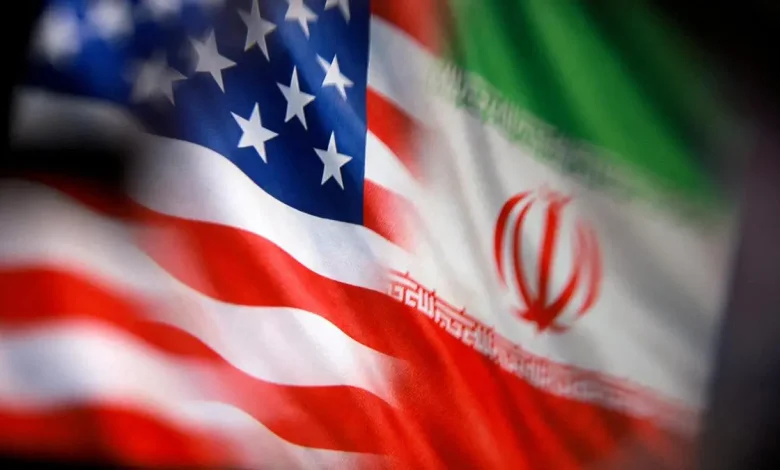
In a significant development in international nuclear diplomacy, US officials have confirmed that Iran has consented to dilute its highly enriched uranium stockpile as a primary condition. This agreement is viewed as a crucial step toward curbing Iran’s nuclear ambitions and ensuring regional and global security.

According to sources familiar with the negotiations, the dilution of uranium is regarded as the minimum requirement to prevent Iran from advancing its nuclear weapons capabilities. By lowering the enrichment levels, Iran essentially reduces the potential to develop highly destructive nuclear arms. Additionally, the deal reportedly includes clauses for Iran to refrain from pursuing or acquiring nuclear weapons in any form.
US officials further indicated that the agreement encompasses a waiver of certain sanctions, signaling a willingness by the international community to ease economic pressures contingent upon Iran adhering strictly to its nuclear commitments. Furthermore, the deal aims to open the strategic Strait of Hormuz, a critical maritime chokepoint for global energy supplies, facilitating safer and unimpeded navigation.
Experts highlight that the move to dilute uranium not only addresses proliferation concerns but also serves as a diplomatic breakthrough that could pave the way for renewed dialogue and stability in the volatile Middle East region. However, the agreement’s success hinges on rigorous inspection regimes and transparency to verify Iran’s compliance.
While diplomatic responses have been cautiously optimistic, some analysts urge vigilance given past challenges in enforcing nuclear accords. They emphasize that sustained international cooperation and robust mechanisms for monitoring are essential to ensure the deal’s long-term effectiveness and to prevent nuclear escalation.
This development marks a critical milestone in managing nuclear threats and exemplifies the complex interplay between diplomatic negotiations, economic sanctions, and geopolitical strategy. As the situation evolves, stakeholders worldwide are closely monitoring Iran’s adherence and the broader implications for non-proliferation efforts.