
US-Iran Tensions Escalate: American Airstrikes Continue for 12th Consecutive Night Amid Rising Middle East Conflict
The United States continues its military campaign against Iranian targets for a 12th straight night, increasing fears of a wider regional conflict and threats to global shipping routes.
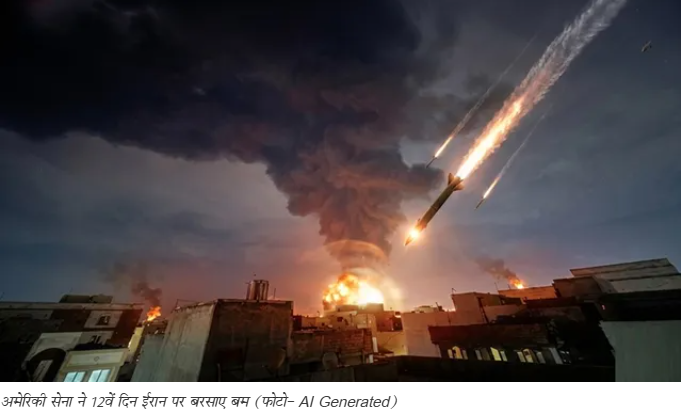
US airstrikes against Iranian military sites continue for the 12th consecutive night, escalating Middle East tensions and raising concerns over regional security.

Military tensions between the United States and Iran have intensified once again, with the U.S. military announcing that it conducted airstrikes against multiple Iranian military sites for the 12th consecutive night. According to U.S. officials, the latest operation targeted military infrastructure, weapons storage facilities, and strategic defense installations in an effort to reduce Iran’s military capabilities. Reports from parts of Iran indicated explosions and damage to several military locations, although the claims made by both sides have not been independently verified.
The U.S. Central Command (CENTCOM) said in an official statement that the ongoing campaign is aimed at safeguarding regional maritime security and ensuring the safe passage of international commercial shipping. U.S. officials maintain that Iran’s military activities pose a potential threat to civilian vessels and merchant ships passing through the Strait of Hormuz, one of the world’s busiest maritime trade routes. Washington says its operations are intended to weaken capabilities that could endanger international navigation.
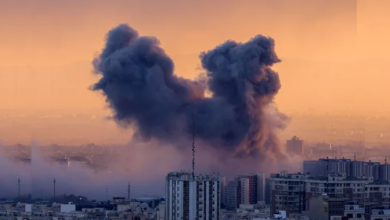
According to reports, the latest wave of strikes targeted several military bases, missile storage facilities, and defense-related installations across Iran. Fires and thick plumes of smoke were reported at multiple locations following the attacks, while local authorities and emergency response agencies began assessing the extent of the damage. However, Iranian officials have not yet released detailed information regarding the actual level of destruction or any potential casualties resulting from the strikes.
The escalation has drawn renewed political attention in the United States. Former U.S. President Donald Trump issued a warning on social media, stating that the United States would respond decisively if American interests, military personnel, or allied nations were threatened. His remarks have been widely viewed as politically significant amid the current regional tensions, although they do not represent official U.S. government policy.
Iran strongly condemned the airstrikes, describing them as a violation of international law and its national sovereignty. Iranian officials said the country reserves the right to take all necessary measures to protect its territorial integrity and national security. Despite the sharp rhetoric, Tehran has not officially announced any large-scale retaliatory military operation in response to the latest attacks.
Security analysts believe the nature of the conflict has evolved significantly in recent months. Rather than focusing solely on conventional military targets, modern operations increasingly involve attacks on strategic infrastructure, including energy facilities, transportation networks, ports, and logistics hubs. Such developments raise concerns not only for regional stability but also for civilian populations and critical economic systems.
The Strait of Hormuz remains a key strategic chokepoint for global energy supplies, with a substantial share of the world’s crude oil exports passing through the waterway. Any prolonged escalation in the region could disrupt international shipping, increase oil prices, and affect global supply chains. Energy market experts warn that sustained instability in the Gulf could have broader consequences for the world economy.
The international community, including the United Nations, has repeatedly urged both Washington and Tehran to exercise restraint and pursue diplomatic dialogue instead of military confrontation. Diplomatic efforts continue to focus on preventing further escalation, but the security situation across the Middle East remains highly sensitive.
Many of the battlefield claims and damage assessments released by both the United States and Iran remain independently unverified. As military operations and political rhetoric continue, global attention remains fixed on the next strategic and diplomatic moves by both countries, with growing concern that any further escalation could have significant regional and international repercussions.