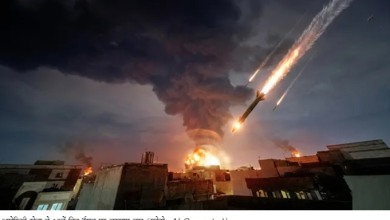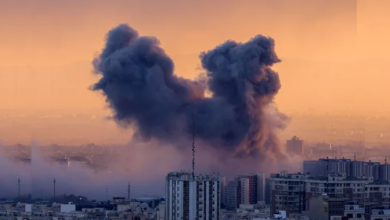

The ongoing conflict has severely disrupted oil flow through the Strait of Hormuz, triggering the world’s most significant supply crisis to date. This strategic chokepoint, crucial for global energy transit, has seen substantial reductions in oil shipments, causing ripples across international markets.

The Strait of Hormuz, located between the Persian Gulf and the Gulf of Oman, handles approximately 20% of the world’s seaborne oil trade. Recent hostilities in the region have led to the closure of this vital maritime passage, prompting immediate concerns among oil-importing nations and traders.
With supply routes constrained, oil producers and consuming countries are grappling with the challenge of maintaining stability in oil supplies. This disruption has led to sharp increases in crude oil prices globally, affecting not only energy markets but also the broader economy, with rising fuel costs influencing transportation, manufacturing, and consumer prices.
Industry experts highlight that this supply crisis is unprecedented, as few comparable instances have threatened such a substantial percentage of global oil transit at once. The closure has forced many nations to explore alternative supply channels and intensify strategic petroleum reserve deployments to mitigate immediate shortages.
International organizations and oil-producing alliances are monitoring the situation closely. Measures under consideration include ramping up production from unaffected regions and negotiating diplomatic dialogues aimed at reopening the Strait safely. However, geopolitical tensions continue to cloud the timeline for restoring normal operations.
The energy sector faces a critical juncture as the prolonged disruption underscores the vulnerability of relying heavily on singular transit routes for essential commodities. Analysts stress the need for diversification and infrastructure investments to ensure resilient supply chains moving forward.
In response, market analysts recommend that businesses and governments prepare for sustained volatility and seek to implement adaptive strategies to navigate the evolving landscape.
As the situation develops, stakeholders worldwide remain vigilant, recognizing that the resolution of this crisis is pivotal to stabilizing global energy markets and ensuring continuous supply to meet economic demands.