

New Delhi: Recent restoration efforts at Jantar Mantar, one of Delhi’s most famous historical landmarks, have brought renewed attention to the challenges facing the site.
The restoration work has helped improve the monument. However, experts and local visitors say several important issues still need to be addressed.
Jantar Mantar’s Historical Importance
Jantar Mantar is known for its collection of 19 architectural astronomical instruments.
The site represents India’s rich scientific and astronomical heritage. It is also an important destination for tourists, students, and history enthusiasts.
Recent restoration work has focused on protecting the structure and improving the overall visitor experience.
However, restoration alone may not be enough to ensure the site’s long-term preservation.
Regular Maintenance Remains a Concern
One of the major challenges is regular maintenance.
The monument faces continuous wear and tear because of weather conditions and heavy visitor footfall.
Without proper and regular upkeep, the benefits of recent restoration work could gradually be lost.
Authorities may need to establish a long-term maintenance plan to protect the structures and instruments.
Visitor Facilities Need Improvement
Basic visitor facilities at Jantar Mantar also require attention.
Tourists and students may face difficulties due to limited access to:
- Clean restrooms
- Drinking water
- Shaded seating areas
- Visitor information
- Comfortable waiting spaces
Improving these facilities could make visits more convenient and encourage more people to explore the site’s history.
Security and Crowd Management
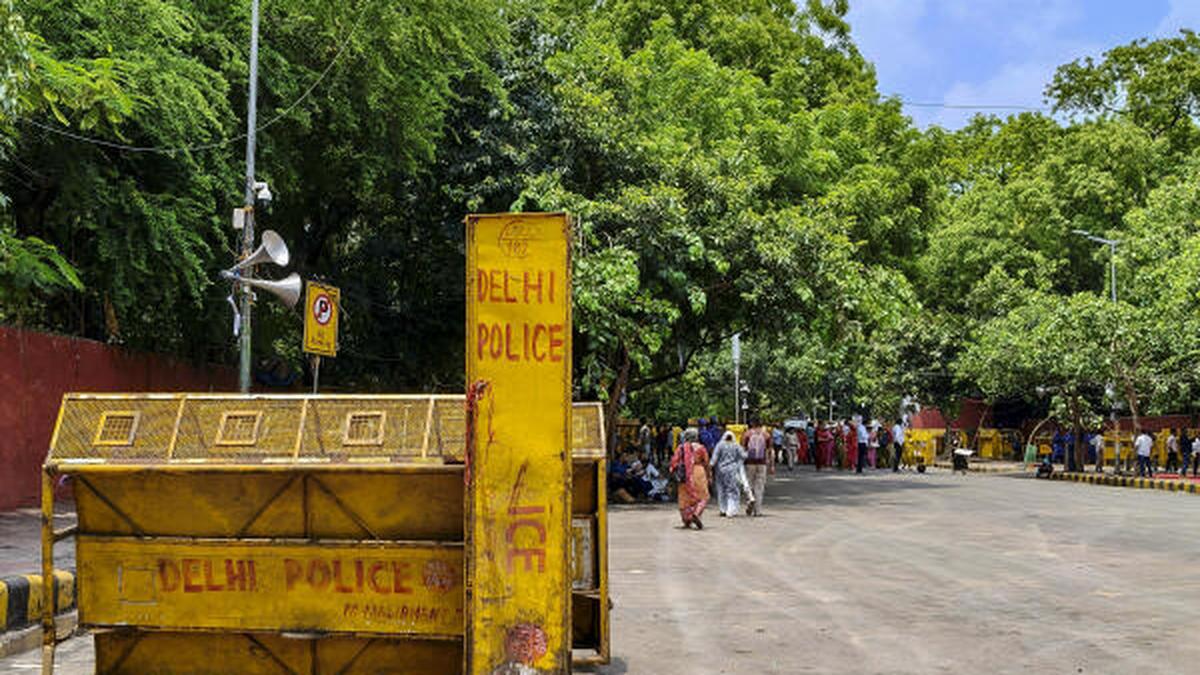
Jantar Mantar also has a unique challenge because it is both a tourist attraction and a protest venue.
Managing large crowds while protecting the historic structures can be difficult.
Better crowd management and surveillance could help maintain public safety while reducing the risk of damage to the monument.
Balancing Public Access and Preservation
Authorities need to find a balance between allowing public access and protecting the site’s fragile structures.
Clear movement areas, visitor guidelines, and effective monitoring could help achieve this balance.
More Educational Information Needed
Another important issue is the availability of detailed information about the astronomical instruments.
Many visitors may not fully understand how the instruments were used or why they are scientifically significant.
Guided Tours and Interactive Displays
The introduction of guided tours, interactive displays, informative signs, and educational material could improve the visitor experience.
These measures could also make Jantar Mantar more useful for school and college students.
Environmental Challenges
Pollution and noise around the site are additional concerns.
High pollution levels can affect the surrounding environment and may also create challenges for long-term preservation.
Working with environmental authorities to reduce pollution and noise could help protect the monument and improve its surroundings.
What Jantar Mantar Needs
A long-term preservation strategy should focus on several key areas:
- Regular maintenance
- Better visitor facilities
- Improved security
- Effective crowd management
- Educational resources
- Pollution and noise control
- Sustainable conservation
Addressing these areas together would provide a more comprehensive approach to protecting the historic site.
Conclusion
The recent restoration of Jantar Mantar is an important step toward preserving Delhi’s scientific heritage.
However, continued maintenance and better visitor management are equally important.
By improving facilities, security, educational resources, and environmental conditions, authorities can help ensure that Jantar Mantar remains a valuable historical and scientific landmark for future generations.