

Chennai, Tamil Nadu: Artificial intelligence (AI) has made rapid progress in recent years. AI systems can now chat, translate languages, answer questions, and perform many other tasks.
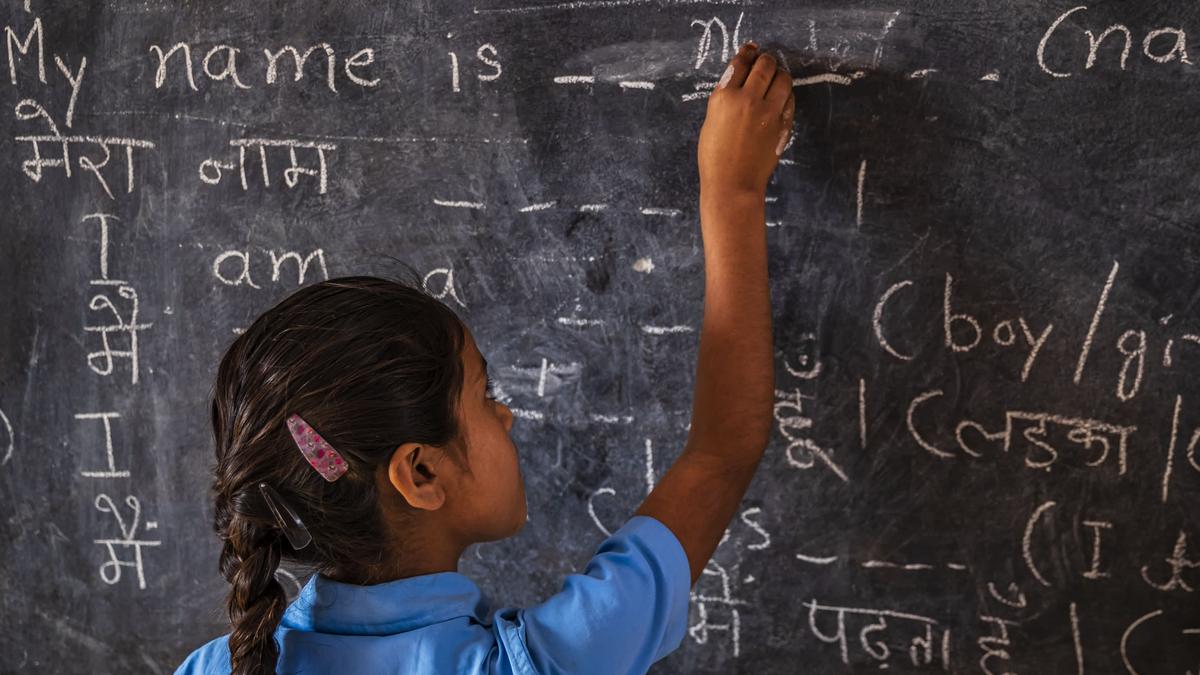
However, these systems still need to understand human language effectively. This is a major challenge in India because the country has hundreds of languages and dialects.
AI4Bharat Works on India’s Language Diversity
A team of researchers at IIT Madras, working through the AI4Bharat initiative, is addressing this challenge.
The team is collecting voices from different parts of India. Its goal is to preserve regional dialects and help AI systems understand the country’s linguistic diversity.
Researchers are travelling to both urban and remote areas to record native speakers. These recordings are then used to create large voice databases.
Building Voice Databases for AI
The collected voice data can help researchers develop AI models that better recognize Indian languages and regional dialects.
These models could eventually understand different accents, pronunciations, and local forms of speech more accurately.
This work is particularly important for communities that do not regularly use English or Hindi.
Making AI More Accessible
The researchers hope their work will make AI technology more accessible to people across India.
Voice-based digital assistants and translation tools could become more useful for people who communicate primarily in regional languages.
Helping Rural Communities
Improved language technology could help reduce the digital communication gap in rural areas.
People could potentially interact with digital services using their own languages. This could make technology easier to understand and use.
Language Is Linked to Culture
India’s languages and dialects are closely connected to its cultural heritage.
Preserving them is therefore important beyond AI development. Digital voice databases could also help document linguistic traditions that might otherwise receive less attention.
Experts say this combination of technology and language preservation could support India’s broader efforts toward digital inclusion.
AI Could Transform Key Sectors
Better language-based AI could have applications across several sectors.
Education
Students could access educational content in regional languages, making digital learning more accessible.
Healthcare
Voice-based systems could help people communicate health-related information in languages they understand comfortably.
Public Services
Government and public-service platforms could become easier to use if citizens can interact with them in their preferred languages.
Collaboration Is Key
Developing AI that understands India’s many languages requires cooperation between several groups.
Researchers, linguists, technology experts, and local communities can work together to collect better data and develop more accurate AI systems.
Community participation is especially important because native speakers can provide valuable information about pronunciation, vocabulary, and regional variations.
The Future of Multilingual AI in India
The work of AI4Bharat highlights the potential of building AI systems that understand India’s linguistic diversity.
As research continues, AI could become more inclusive and responsive to people across the country.
The goal is not simply to make machines understand more languages. It is to ensure that people can use modern technology in the languages they know best.