

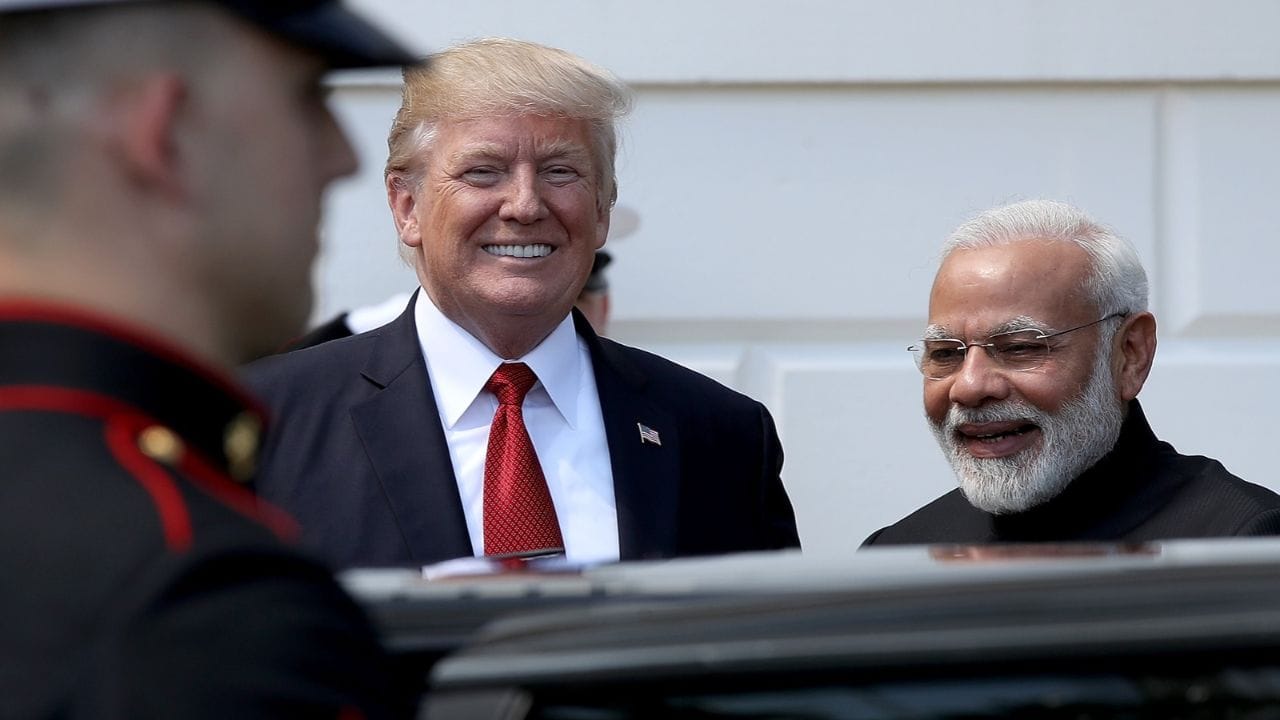
The United States recently eased its threat to impose heavy tariffs on major purchasers of Russian oil, offering significant relief to India. If the tariffs had been implemented, the costs of Indian exports to the U.S. could have surged dramatically. On October 16, President Donald Trump issued an executive order lifting certain tariffs and sanctions under the Lindsey O. Graham Sanctioning Russia and Iran Act of 2026.
Tariff Reductions: From 500% to Waiver
This decision came just days before a crucial deadline on October 18, when a 100% tariff on new purchases of Russian oil and gas could have taken effect. The tariff plan itself had evolved from an initial proposal of a 500% tariff aimed at punishing countries buying Russian energy, to a finalized 100% tariff targeting the top five importers of Russian crude and natural gas. The executive order has effectively paused the implementation of these significant penalties for now.
Originally, Senator Lindsey Graham had proposed a drastic 500% tariff to discourage nations from continuing to buy Russian energy, thus pressuring Russia economically. The final law, however, capped this tariff at 100%, to be imposed only if countries initiated new purchases of Russian oil or gas on or after October 18. It also covered entities assisting Russia in evading sanctions. While the act became law on September 18, 2026, tariff enforcement depended heavily on presidential decisions.
India’s Vulnerability and Relief
India’s heavy reliance on importing discounted Russian crude oil created a unique challenge. Following Russia’s invasion of Ukraine in February 2022, India ramped up its imports, making Russia its largest oil supplier. Data from Kpler indicates that India imported about 1.74 million barrels of Russian crude daily in September 2026, down from around 2.1 million barrels in August but still significant.
With over 90% of its crude oil being imported, India depends heavily on affordable and reliable foreign supplies for energy security. Washington argued that purchasing Russian energy helped fund Russia’s war efforts in Ukraine. Imposing a 100% tariff on Indian exports to the U.S. would have drastically undercut their competitiveness, threatening orders, business stability, and jobs.
India previously faced tariff risks related to Russian oil as well. In August 2025, Trump had imposed a 25% tariff on Indian imports citing India’s purchase of Russian oil, increasing some tariffs to as high as 50%. However, in February 2026, a trade agreement led to the removal of this additional charge as India promised to curb Russian oil purchases. The White House also acknowledged India’s intent to buy over $500 billion worth of energy, technology, agriculture, and other goods from the U.S., signaling ongoing trade cooperation.
Implications and Future Outlook
The October executive order removed some immediate fees under the Graham Act, but existing tariffs on Indian goods imposed under other statutes remain intact. While India gained temporary relief, there is no permanent exemption, and the U.S. administration retains the right to revisit this waiver. An anonymous Indian export official described the current state as maintaining the status quo, noting a 10% U.S. tariff on most Indian products under forced labor provisions remains in effect.
The timing of the waiver is noteworthy as it followed an October 9 agreement between Trump and Russian President Vladimir Putin, allowing Russia to supply over 300,000 tons of diesel to the U.S. and global markets. This move was aimed at increasing fuel supply and lowering prices, albeit raising questions about Washington’s policy consistency—penalizing buyers of Russian energy while importing Russian diesel itself.
According to Ajay Srivastava of the Global Trade Research Initiative, the waiver likely reflects several considerations, including avoiding accusations of double standards. He pointed out that the U.S. had agreed not to raise tariffs on China until January 10, 2027, and targeting only India risks derailing sensitive bilateral trade discussions. The executive order emphasized U.S. national interests and directed officials to continue monitoring Russian energy purchases carefully.

