

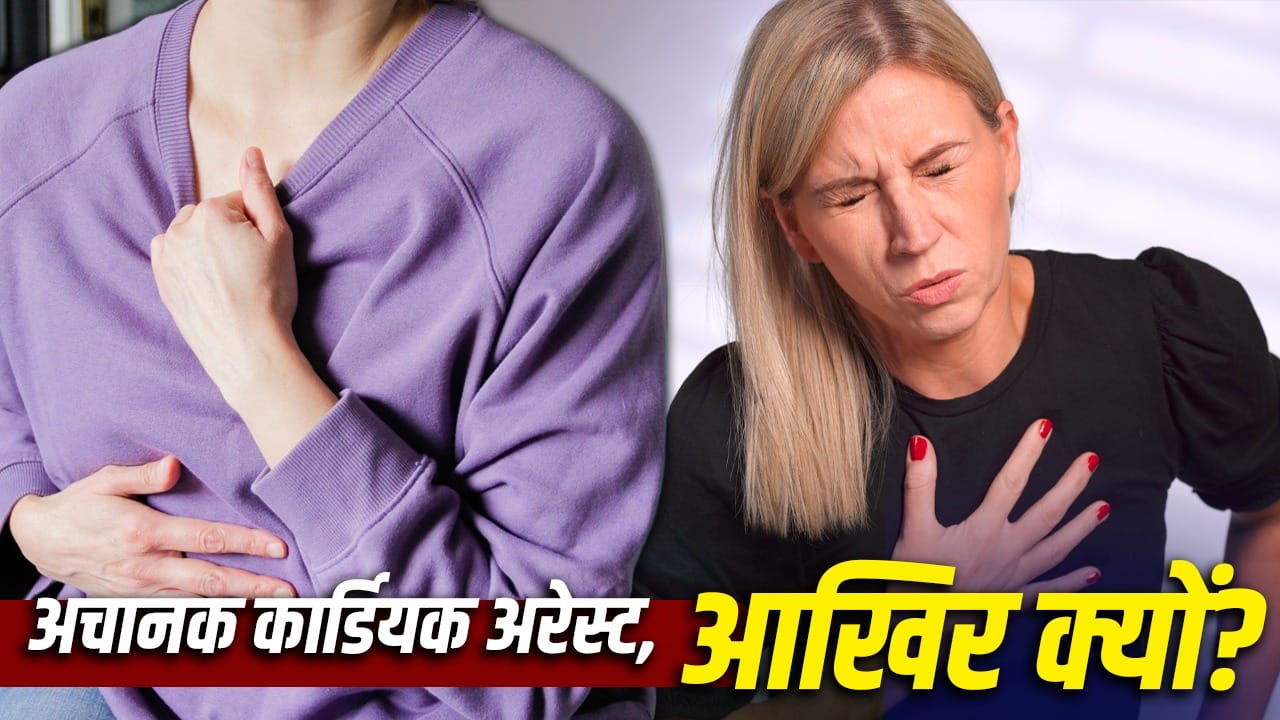
Bollywood veteran actor Nana Patekar passed away in Goa due to sudden cardiac arrest, a condition where the heart abruptly stops functioning. This tragic event raises important questions about why cardiac arrest can occur without any prior signs of heart disease and what hidden dangers may be overlooked. TV9 conducted an exclusive interview with Professor Dr. Tarun Kumar from the Cardiology Department at Medanta Mulchand Hospital to shed light on this issue.
Understanding Cardiac Arrest and Its Causes
Dr. Tarun Kumar explains that 90 to 95 percent of cardiac arrest cases are triggered by a heart attack. Although symptoms typically appear during a heart attack, many people ignore the warning signs, which can lead to sudden cardiac arrest. Immediate treatment, including CPR, is critical, as delays of even a few minutes can be fatal.
Other common symptoms indicating heart problems include excessive sweating, chest pain, shortness of breath, and a rapid heartbeat. Recognizing these early signs is essential for timely medical attention.
Why Does Cardiac Arrest Occur Without Known Heart Disease?
An important question is why some people experience cardiac arrest despite no known heart conditions. According to Dr. Tarun, cardiac arrest can happen suddenly, but it often follows silent heart attacks that go unnoticed. Many individuals do not undergo regular heart check-ups, allowing cholesterol to build up quietly in artery walls as crystals, leading to blockages.
These blockages reduce blood flow to the heart muscle, increasing the risk of sudden cardiac events. Lack of awareness and neglect of early symptoms contribute to the unexpected nature of cardiac arrest in seemingly healthy individuals.
Key Precautions to Reduce Cardiac Arrest Risk
While cardiac arrest does not always provide a warning, certain lifestyle and health factors must be managed to lower risk. Monitoring and controlling blood pressure, blood sugar, and bad cholesterol levels are vital, as these are major contributors to heart disease.
Avoiding smoking and tobacco use is also crucial since these habits damage blood vessels and elevate heart-related risks. The CDC confirms that quitting smoking significantly decreases the chance of cardiac problems.
Maintaining an active lifestyle is important in today’s sedentary world. Prolonged sitting at work and home can lead to obesity and higher chances of high blood pressure, diabetes, and elevated cholesterol, all of which increase cardiac risks. Regular physical activity helps keep these in check.
Weight management further plays a key role, as excess weight is linked to hypertension, diabetes, and cardiovascular diseases. Additionally, reducing excessive salt intake and avoiding unhealthy fats can protect heart health and reduce the likelihood of cardiac complications.

