

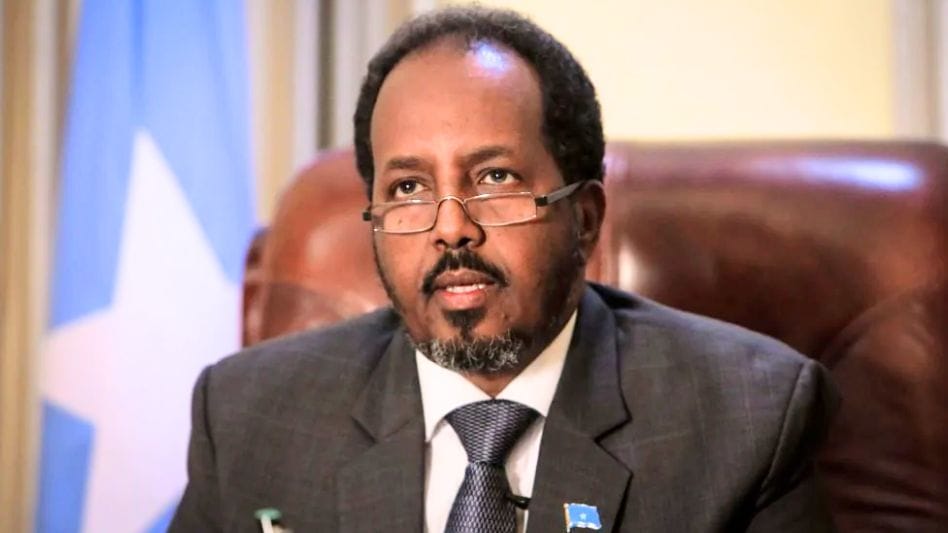
Somalia’s government ordered the UAE ambassador to exit the country within 72 hours, signaling a sharp escalation in Mogadishu’s dispute with Abu Dhabi. The decision was announced in a Mogadishu press briefing by Information Minister A. Kasim Mohammed, following a cabinet meeting chaired by Prime Minister Hamza Abdi Barre. Simultaneously, Somalia said it would recall its own ambassador from the UAE for consultations.
Key Points
- Somalia orders UAE ambassador to leave within 72 hours.
- Somalia recalls its ambassador from the UAE for consultations.
- Government cites sovereignty, territorial integrity and unity concerns.
- UAE activities described as interference in Somalia’s internal affairs.
Information Minister A. Kasim Mohammed alleged that the UAE’s actions amounted to a direct challenge to Somalia’s sovereignty, territorial integrity, and national unity. He warned that anyone or any group assisting or colluding with the UAE would face firm, legal action. The statement framed the move as a defense of the state’s independence amid regional interference claims.
Two days earlier, President Hassan Sheikh Mohamud, in a national address, accused the UAE of establishing military bases in parts of Somalia without the federal government’s consent. The remarks underscored growing strains in the relationship as Mogadishu sought to assert its authority over security and foreign influence. The president’s comments underscored the sense that external meddling was challenging Somalia’s governance.
Officials argued that UAE assistance was channelled to armed forces and regional administrations beyond the central government’s control, effectively injecting external influence into Somalia’s internal politics. They described the cooperation as a direct interference that could destabilize the country’s fragile unity. The government warned that supporting or collaborating with such forces would be treated as a serious challenge to state sovereignty.
Background and Reactions
In a broader context, relations deteriorated earlier this year after Somalia canceled bilateral agreements with the UAE in January, citing sovereignty concerns. The country cited the UAE’s involvement in port operations at Berbera, Bosaso and Kismayo, as well as defense and security cooperation, and the central government noted that autonomous regions had resisted implementing the moves.
Earlier this year, Somalia’s central government canceled all bilateral understandings with the UAE covering port operations, defense, and security cooperation. However, authorities in self-governing regions such as Somaliland, Puntland and Jubbaland did not fully implement the decision, arguing that UAE-backed investments in those areas remained significant. The divisions underscored the fragility of Somalia’s national cohesion amid foreign engagement.
Subsequently, Somalia closed its airspace to UAE military and cargo aircraft, further signaling a tightening of controls over foreign access. The government did not provide additional details on enforcement or timing beyond the initial expulsions, and there was no immediate public response from the UAE’s foreign ministry. Observers described the moves as a hardening of Mogadishu’s stance.
On the diplomatic front, the UAE’s foreign ministry has not offered an official response to the latest expulsion order, continuing to deny that it interferes in Somalia’s internal affairs. Analysts say the latest moves could further polarize regional alliances and complicate any future negotiations, leaving Mogadishu and Abu Dhabi at a critical crossroads in their bilateral ties.