

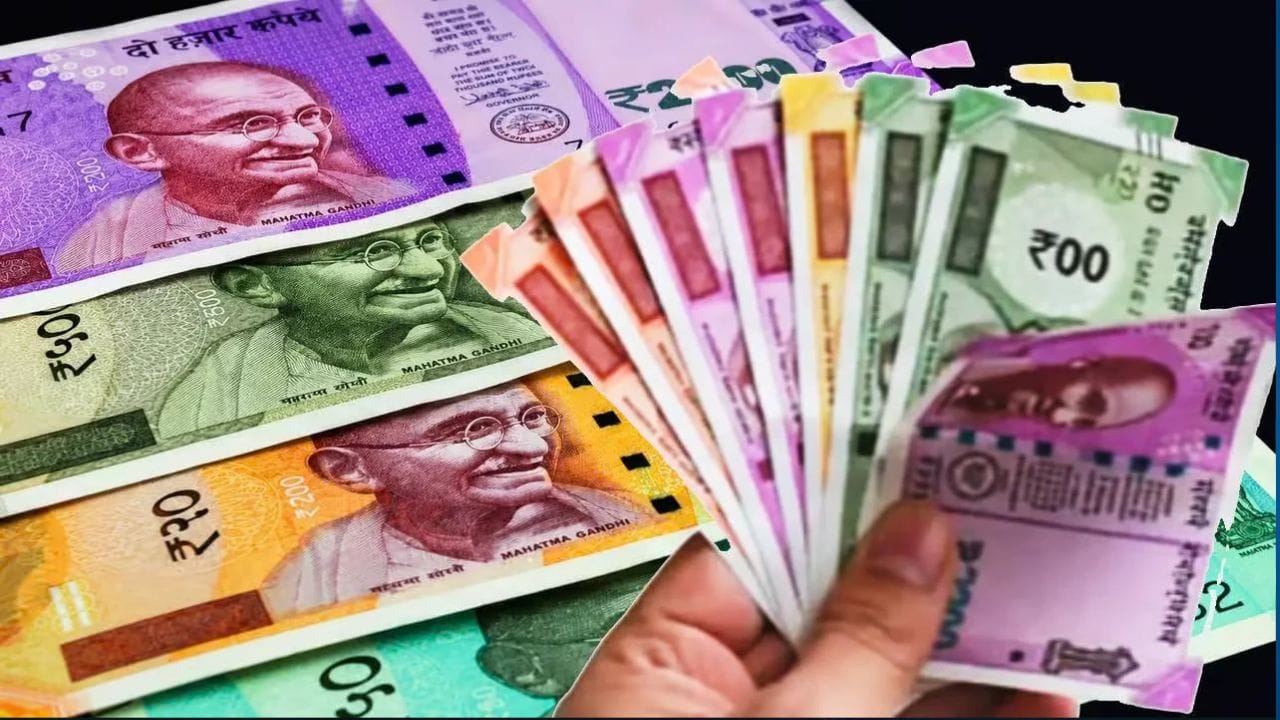
The Reserve Bank of India (RBI) is set to begin trials of plastic ₹10 and ₹20 currency notes starting April 1, 2027. The new notes will maintain the same size as the current paper versions, ensuring no modifications are required for ATM machines. This move aims to minimize extra expenses for banks while introducing the polymer notes.
Why Keep the Same Size?
According to a Moneycontrol report, RBI plans to retain the length and width of the notes to avoid costly changes in ATM infrastructure. Changing the dimensions would mean banks having to adjust slots, sensors, and other ATM components. Engineers would need to recalibrate machines, resulting in significant additional costs for banks nationwide.
A senior official from a government bank explained that retaining the existing size offers relief on initial expenses. Previously, when new ₹100 and ₹200 notes were introduced, approximately 240,000 ATMs across the country required alterations. This entire process led to an expenditure of about ₹100 crore within the ATM industry.
The official estimated that a bank operating 8,500 ATMs could save nearly ₹21.25 crore by avoiding changes related to note size. During the initial testing phase, plastic notes may be distributed at bank counters to bypass ATM involvement, which means ATM modifications can be deferred.
Manufacturing and Trial Details
The RBI’s associate company, Bharatiya Reserve Bank Note Mudran Private Limited (BRBNMPL), has invited tenders for producing these notes. Six companies, including India’s Uflex in partnership with the US-based Spectra Systems, have submitted bids. The tender includes procurement of 68,000 reams of special plastic sheets made from BOPP (Biaxially Oriented Polypropylene) material.
These sheets require specific coatings to ensure proper printing and ink adherence. Also, the material must be free of any animal fat or DNA traces. This careful selection supports durability and printing quality on the banknotes.
RBI Governor Sanjay Malhotra had earlier stated that plastic notes can last two to four times longer than paper ones. Before a nationwide rollout, the polymer notes will undergo thorough testing in India’s climate and usage conditions. The government has approved a field trial involving 100 million plastic ₹10 and ₹20 notes.
Countries like Australia, the UK, Canada, New Zealand, and Singapore already use polymer currency. Australia first introduced plastic notes in 1988, setting a precedent for durability and security in currency technology.