

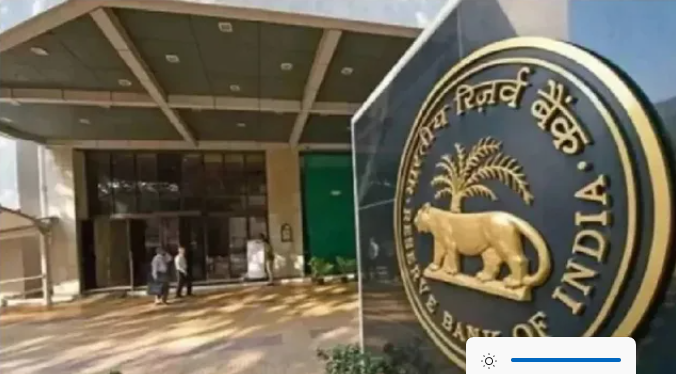
Mumbai, Maharashtra
The Indian economy is currently in a strong position, but risks arising from global developments cannot be ignored. The Reserve Bank of India (RBI) has identified global economic uncertainty and volatility in crude oil prices as some of the major challenges ahead. Members of the central bank’s Monetary Policy Committee (MPC) have indicated that if higher energy prices begin to create broader inflationary pressures, tougher measures may be required on the interest-rate front.
The RBI’s Monetary Policy Committee meeting was held from August 3 to 5, 2026. No change was made to the repo rate during the meeting. However, concerns over global economic risks and crude oil prices featured prominently in the discussions among committee members.
West Asia Conflict Seen as a Major Risk
According to the RBI’s assessment, the ongoing conflict in West Asia poses a significant risk to global energy markets. Any sudden escalation in tensions in the region could trigger another sharp rise in crude oil prices.
Higher oil prices are particularly important for India because the country imports a large share of its crude oil requirements. When oil becomes more expensive in international markets, import costs rise, potentially increasing costs across transportation, manufacturing and other sectors.
If such pressure persists for an extended period, it could eventually affect consumer prices as well. This is why the RBI is closely monitoring developments in the global oil market.
Global Economy Facing Multiple Pressures
The MPC highlighted several risks to the global economic outlook for 2026. Volatility in stock markets, concerns over inflation and weak public finances in major economies continue to pose challenges to global growth.
Uncertainty surrounding energy prices and supply chains could also affect economic activity. The possibility of renewed conflict following a temporary easing of tensions in West Asia has added further uncertainty to financial markets.
6.7% Growth Rate Highlights India’s Resilience
Despite these global challenges, RBI Governor Sanjay Malhotra described the Indian economy as being in a strong position. According to him, an economic growth rate of 6.7% amid the West Asia conflict, global uncertainty and an irregular monsoon reflects the resilience of the Indian economy.
However, the central bank remains cautious about inflation. At present, inflationary pressure is being attributed largely to supply-side factors such as food and fuel prices. Therefore, before making changes to interest rates, the RBI wants greater clarity on the direction of inflation.
RBI Could Change Its Stance If Inflation Broadens
The RBI Governor has stressed the need for vigilance regarding risks arising from higher prices of food items, fuel and other raw materials. If these pressures cause inflation to spread beyond a limited number of commodities and become more widespread across the economy, the central bank may have to adopt a tighter policy stance.
In practical terms, this means that a potential increase in interest rates cannot be ruled out if circumstances require it. However, for now, the RBI has chosen to assess the future trajectory of inflation before making any major policy change.
The central bank currently faces the challenge of maintaining a balance between economic growth and inflation. On one hand, it is important to sustain momentum in the strong domestic economy; on the other, controlling the impact of global energy shocks and inflationary pressures remains equally important.
In the coming months, developments in West Asia, international crude oil prices, the monsoon and domestic inflation are likely to remain key factors influencing the RBI’s monetary policy direction.