

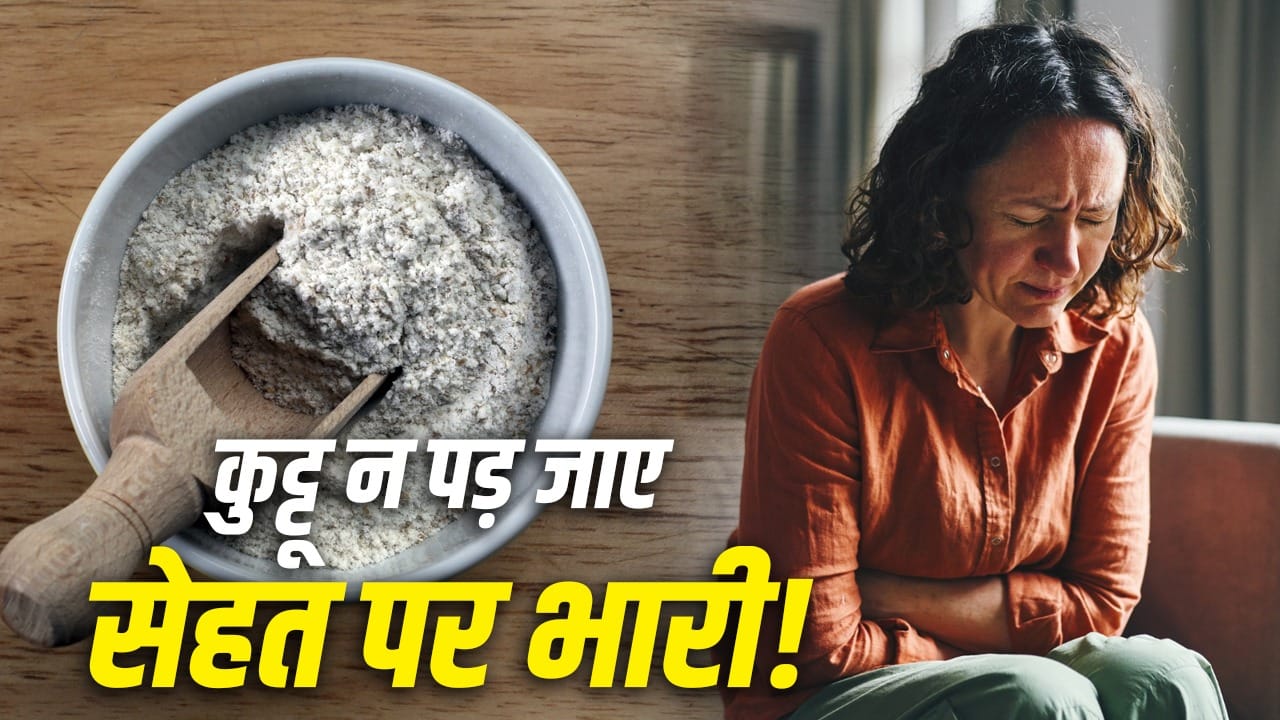
During Navratri fasting, kuttu (buckwheat) flour is a popular ingredient used in various dishes. However, recent reports from Rampur, Uttar Pradesh, have raised health concerns after 25 people fell ill after consuming food made with kuttu flour. The victims experienced symptoms such as vomiting and diarrhea, prompting a food safety investigation by local authorities.
The health issues linked to kuttu flour are not new, and experts warn that consuming contaminated or old kuttu flour can lead to food poisoning. Understanding how to identify good quality kuttu flour is important to avoid such problems, especially during fasting seasons when its use is common.
Risks of Open Flour and How to Avoid Them
One key factor leading to sickness is purchasing open or unpackaged kuttu flour. Such flour might be stale or contaminated due to improper storage. Vendors sometimes sell sifted old flour mixed with new batches, increasing the risk of foodborne illness. Signs such as thread-like particles, clumps, or dampness indicate fungal contamination, so buyers should avoid such flour.
It is always safer to buy sealed packets of kuttu flour from reputable, certified brands. Checking the manufacturing and expiry dates is crucial, as many consumers overlook these details, which can directly affect their health.
Quality Checks Before Use
Fresh kuttu flour typically appears light grey or brownish. A dark black or yellowish tint could suggest adulteration or poor-quality flour. Before cooking, tasting a pinch of raw flour is advisable; fresh flour has a mild earthy or nutty scent. Any strange or off-putting smell or taste is a red flag and the flour should not be consumed.
When preparing dishes like puris, parathas, or cheelas from kuttu flour, observe their color and flavor. If the food looks unusually dark or tastes bitter, it is better to avoid eating it to prevent health issues.
Additional precautions include buying only the amount of flour needed since kuttu flour can spoil quickly. Store it in an airtight container at home to maintain freshness. For first-time users, consuming small quantities initially is recommended, as some individuals may have allergies to buckwheat proteins.
These simple measures can protect consumers from food poisoning and ensure a safe and healthy fasting experience. Authorities continue to monitor incidents and educate the public about safe food choices during Navratri.

