

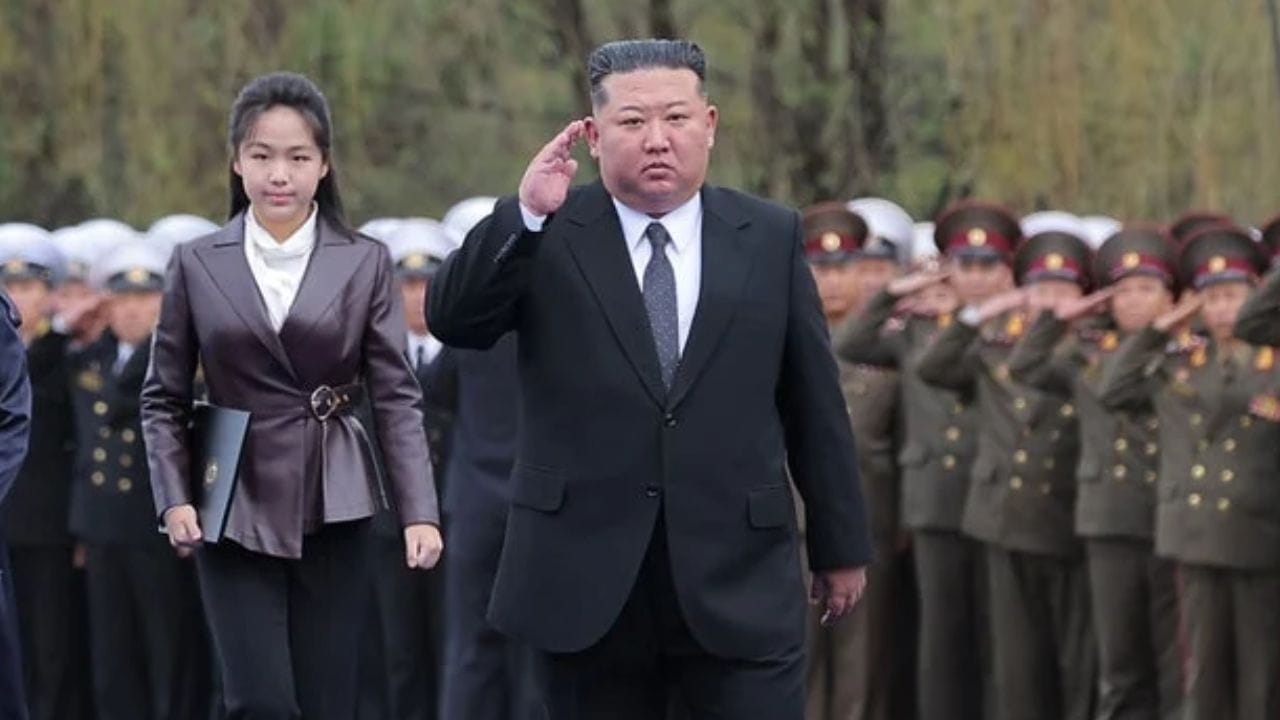
North Korea on Wednesday, 11 November, announced a sweeping revision of its constitution, marking the first major rewrite in 54 years. The new text describes South Korea as a neighboring nation rather than a rival state, a dramatic shift that underscores a potential turn in inter-Korean relations. The changes also strengthen leader Kim Jong Un’s authority and reshape how nuclear weapons are managed.
Constitutional Shifts and Neighbors
According to Stockholm International, North Korea currently possesses about 50 nuclear weapons and aims to build up to 90 by 2030, a figure widely cited by researchers monitoring Pyongyang’s capabilities. The figure underscores the urgency behind the constitutional overhaul and the heightened emphasis on who can authorize nuclear actions within the regime.
Analysts noted a rewording of Article 2, which identifies neighboring states. The text places China and Russia to the north while the south is identified as the Republic of Korea, a term long used in official circles. Importantly, the new constitution no longer labels South Korea as the arch-enemy, hinting at possible diplomatic openings.
Among the three major changes, the document declares South Korea a neighbor, effectively dropping Pyongyang’s historic claim over Seoul after the 1950-53 conflict. The second overhaul rewrites nuclear policy, permitting Kim to designate who may wield nuclear weapons, with final decisions resting in his hands. Third, North Korea says no country will be designated an enemy in the text.
Expanded Power for Kim Jong Un
The amendments also concentrate real power in the hands of Kim Jong Un. The constitution assigns command of the nuclear forces to the State Affairs Commission, and the commission is empowered to decide when and how weapons are deployed; its chairman is explicitly identified as Kim Jong Un, signaling a consolidated leadership structure during a volatile period.
Officials argue the changes aim to safeguard the regime against external threats by ensuring a seamless line of command for nuclear forces, even in the event of an attack on Kim. Analysts say the shift reinforces deterrence by concentrating ultimate decision-making. The move is being watched amid broader regional security tensions.
Observers connect Pyongyang’s move to mounting global tensions over nuclear programs, including recent U.S. actions against Iran. Washington has pursued strategic options against Tehran, and in February 2026 the United States, alongside Israel, carried out strikes that killed the Iranian Supreme Leader Ayatollah Ali Khamenei and destroyed facilities tied to Tehran’s nuclear ambitions, prompting renewed alarm in Seoul and Tokyo.
This development matters because it signals a potential shift in inter-Korean relations and regional security. A neutral, neighborly framing may pave the way for diplomacy, though the exact trajectory remains to be seen. Observers will watch for official responses from Seoul and international partners as the new constitutional framework takes effect.