

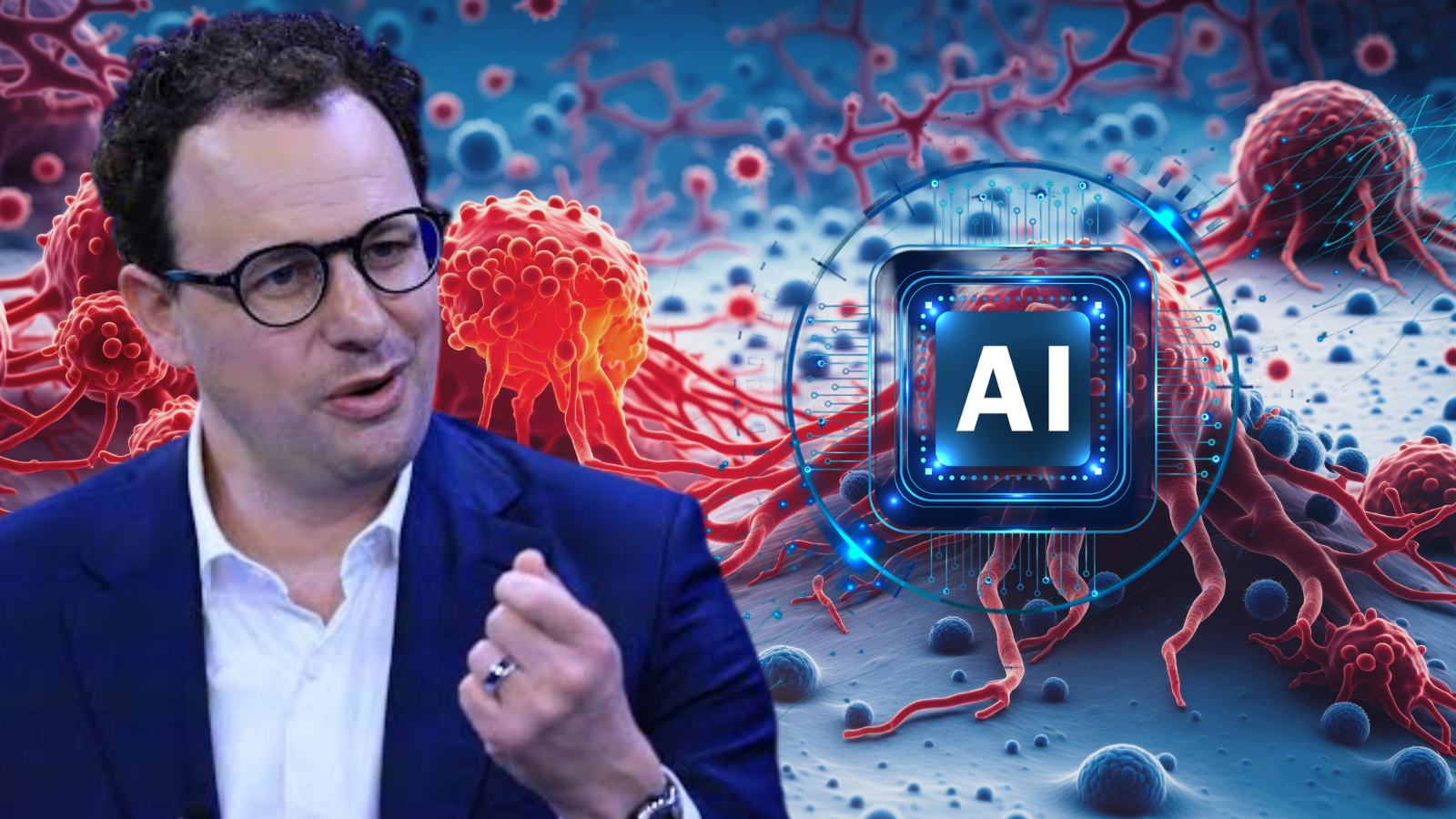
Anthropic chief executive Dario Amodei has asserted that major advances in medicine could come within the next decade, including cures for cancer and Alzheimer’s disease. Speaking in an interview and reported by NDTV, Amodei said AI could transform how drugs are discovered and how medical breakthroughs unfold, speeding progress across health research while experts remain cautious.
What Dario Amodei Said
“I think in less than a decade, cancer, Alzheimer’s, heart diseases and mental illnesses will become things of the past.” said Dario Amodei, CEO of Anthropic. In a rarified public posture, he framed his remark as a call to accelerate biomedical research using AI, touting speed and scale as essential to delivering practical therapies, while acknowledging that genuine breakthroughs depend on implementing robust, verified science.
According to NDTV, Amodei argues that AI can be used as a tool to accelerate biological research, speed up new drug discovery, and push medical breakthroughs forward. He notes that cancer and Alzheimer’s are not mysterious; they affect millions of families and remain among medicine’s toughest challenges. He emphasizes the potential for faster timelines and better targeting of therapies.
He says that if AI research is directed properly, we could usher in a period where humanity finally addresses problems that have resisted solutions for thousands of years. Amodei described a potential era of rapid medical leaps and systemic changes in how treatments are found, developed, and validated. He cautioned that it would require careful governance and robust data practices.
Industry Leaders Share the Hope
Other technology leaders are voicing similar optimism. Elon Musk, the founder of Tesla, and Demis Hassabis, head of Google AI, have expressed belief that artificial intelligence can dramatically shorten the time required to discover new drugs and bring cures to patients sooner. Hassabis has argued that AI’s impact could accelerate the search for treatments for major diseases.
Industry observers point to AlphaFold, Google’s DeepMind program, as a large-scale example of progress in AI-assisted biology. It has mapped more than 200 million protein structures, a milestone cited by Amodei and others as a possible blueprint for rapid future discoveries. Supporters say the tool demonstrates how computational insight can guide lab work, reducing blind searches and speeding up identification of therapeutic targets.
This backdrop comes as Anthropic prepares for an initial public offering, a move that would situate its ambitions on a broader financial stage and invite scrutiny of its science, governance and business model. Amodei’s comments align with a wider industry discourse about how AI could reshape drug development, diagnostics and patient care.
Experts caution that while the potential is immense, current AI models lack crucial biological understanding, and real-world breakthroughs will require rigorous experimentation, validation, and careful oversight. The debate now centers on how to balance rapid discovery with safety, ethics, and reproducible results, ensuring patients benefit without overstating what science can deliver in a single decade.