

Marjane Satrapi, Persepolis, and Panahi: Exploring Iranian History Through the Eyes of a Child
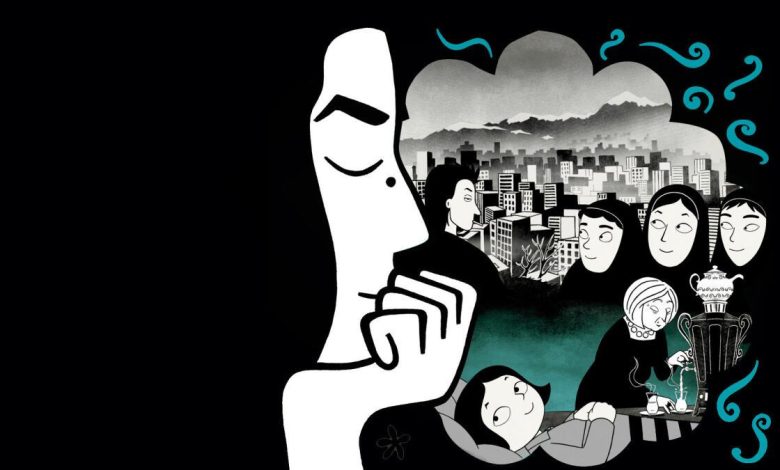
In the rich and complex tapestry of Iranian cinema, the perspectives of children stand out as uniquely powerful. Filmmakers like Marjane Satrapi, Jafar Panahi, Abbas Kiarostami, and Mohsen Makhmalbaf have all used child protagonists not just as central characters, but as vital lenses through which the nation’s history, struggles, and identity unfold.

This artistic approach goes beyond simple storytelling. It reflects a deeply rooted tradition in Iranian culture that trusts the innocence and honesty of youth to capture and convey truth. From Satrapi’s internationally acclaimed graphic novel and film Persepolis, which portrays the Iranian Revolution through the eyes of a young girl, to Panahi’s films that bring attention to social issues faced by children in contemporary Iran, these filmmakers bridge personal experience with broader political realities.
Children in these narratives embody both vulnerability and resilience, offering viewers a fresh and often poignant insight into Iran’s historical complexities. Whether it is through themes of exile, revolution, or everyday life under political constraints, the child’s perspective humanizes the larger forces at play and makes abstract events tangible and relatable.
Furthermore, the use of youthful eyes allows for subtle critiques and reflections on society that might otherwise be difficult to express openly. This approach also resonates globally, as audiences connect emotionally with the innocence and courage of children amid turmoil. It enables a form of storytelling that is both accessible and profound, crossing cultural and linguistic barriers.
Notably, works like Satrapi’s Persepolis have gained international recognition, winning critical acclaim and spotlighting Iranian cinema on the world stage. The blend of personal narrative with historical context enriches the audience’s understanding of Iran beyond stereotypes. It shows a nation grappling with identity, change, and memory through the pure and unfiltered perspective of youth.
In summary, Iranian filmmakers’ choice to channel history through children’s eyes is a deliberate and meaningful artistic decision. It serves as a reminder that the stories shaping a nation’s past and present are often best told from the vantage point of innocence and hope, offering a powerful space for reflection and empathy in cinema.