
Sonam Wangchuk Ends 26-Day Hunger Strike, Explains Why Dharamendra Pradhan’s Resignation Was Not Insisted Upon
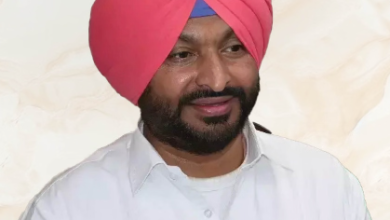
Social activist Sonam Wangchuk has ended his 26-day hunger strike after receiving government assurances, explaining why the protest concluded without Union Education Minister Dharamendra Pradhan's resignation.
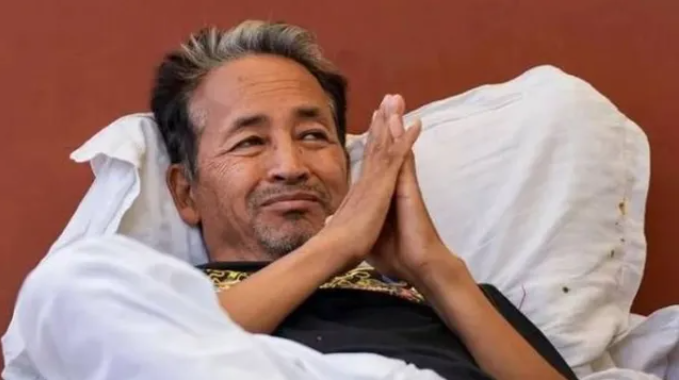
Sonam Wangchuk ends his 26-day hunger strike after government assurances on examination reforms and protester protection. Read why he called off the protest without Dharamendra Pradhan’s resignation.

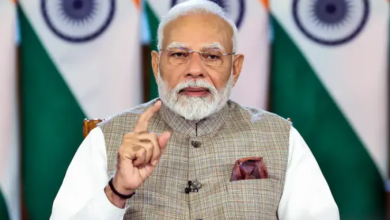
Social activist and education reform advocate Sonam Wangchuk has ended his 26-day hunger strike, despite his demand for the resignation of Union Education Minister Dharmendra Pradhan remaining unmet. Wangchuk has now explained the reasons behind his decision to call off the protest.
The 59-year-old activist said that his highest priority was to protect the protesters who participated in the “Sansad Chalo March”, organized to protest alleged examination irregularities and paper leaks. According to Wangchuk, ensuring that students and supporters did not face legal action was more important than pursuing any other demand.
Wangchuk ended his fast late on Thursday night after receiving a written assurance from the Central Government. According to him, the government assured that no criminal cases would be registered against the protesters and that no punitive action would be taken against those who participated in the movement.
The Centre also assured that Parliament would hold a detailed discussion on examination reforms and paper leak issues. In addition, the government said it would consider a proposal to provide compensation to the families of students who died by suicide following the NEET paper leak controversy.
Explaining his decision, Wangchuk said the objective of the movement was not merely to seek the resignation of an individual, but to ensure greater transparency, accountability, and integrity in India’s examination system. He expressed hope that the government would honour its commitments and implement meaningful reforms in the interest of students.
It is noteworthy that Wangchuk had launched the hunger strike to demand action against alleged examination irregularities, paper leaks, and broader reforms in the education system. His campaign received support from students and several social organizations across the country.
With the hunger strike now concluded, attention has shifted to the Central Government’s next steps. If the promised examination reforms are implemented, they could mark a significant step toward strengthening transparency, fairness, and public confidence in India’s competitive examination system.