

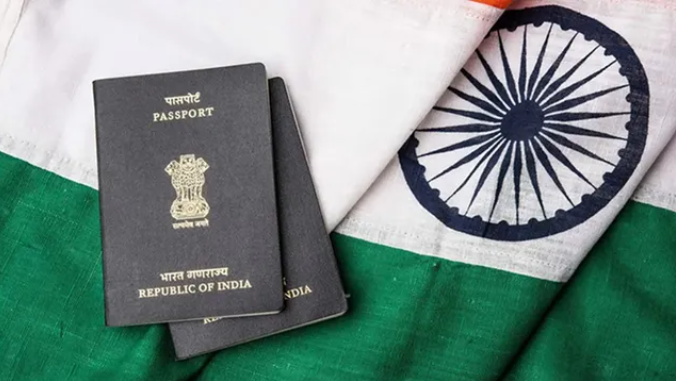
New Delhi, Delhi: The Union Ministry of Home Affairs has introduced a significant change in the process of granting Indian citizenship by empowering District Magistrates (DMs) in eight states and Union Territories to grant citizenship to eligible applicants.
The government issued a notification on Wednesday announcing the implementation of the Citizenship (Third Amendment) Rules, 2026.
District Magistrates Get New Powers
Under the new rules, District Magistrates will be authorised to handle citizenship applications in specified areas of Gujarat, Rajasthan, Punjab, West Bengal, Assam and Tripura.
The new powers will also apply to District Magistrates in the Union Territories of Jammu and Kashmir and Ladakh.
However, certain notified tribal areas have been excluded from the new arrangement.
Who Can Apply for Citizenship?
According to the government notification, eligible individuals born outside India and ordinarily residing in the specified areas can apply for Indian citizenship through registration or naturalisation.
The District Magistrate will examine the applicant’s eligibility and suitability under the prescribed legal requirements.
If the applicant meets the necessary conditions, the District Magistrate may grant Indian citizenship in accordance with the applicable provisions.
District Magistrates to Replace Existing Committees
The new rules introduce a major change in the administrative process for citizenship applications.
In the specified areas, District Magistrates will now replace the Empowered Committees and District-Level Committees that previously handled citizenship-related applications.
The Ministry of Home Affairs has also directed that all applications currently pending before these committees in the affected areas be transferred immediately to the respective District Magistrates.
These pending applications will then be processed under the new system.
Personal Appearance Made Mandatory
The new rules also include provisions requiring applicants to appear personally during the citizenship process.
Applicants will be required to appear in person for important formalities, including:
- Signing the citizenship application
- Taking the oath of allegiance to India
The notification states that if an applicant fails to appear despite being given a reasonable opportunity, the concerned Collector can reject the application.
Focus on Verification and Legal Compliance
The new arrangement is intended to strengthen personal verification and ensure that applicants comply with the prescribed legal procedures.
With District Magistrates taking a more direct role, the district administration will now have greater responsibility for examining citizenship applications and deciding whether eligible applicants meet the required conditions.
Earlier Orders Rescinded
The government has also rescinded certain earlier orders related to the citizenship process.
However, actions already taken under those orders, as well as any rights or liabilities that arose from them, will not be affected by the new decision.
New Citizenship Processing System
With the implementation of the Citizenship (Third Amendment) Rules, 2026, citizenship applications in the specified areas will now be handled directly at the District Magistrate level.
The move represents a significant administrative change in the processing of citizenship applications and gives district-level authorities a greater role in examining and deciding cases involving eligible applicants.