

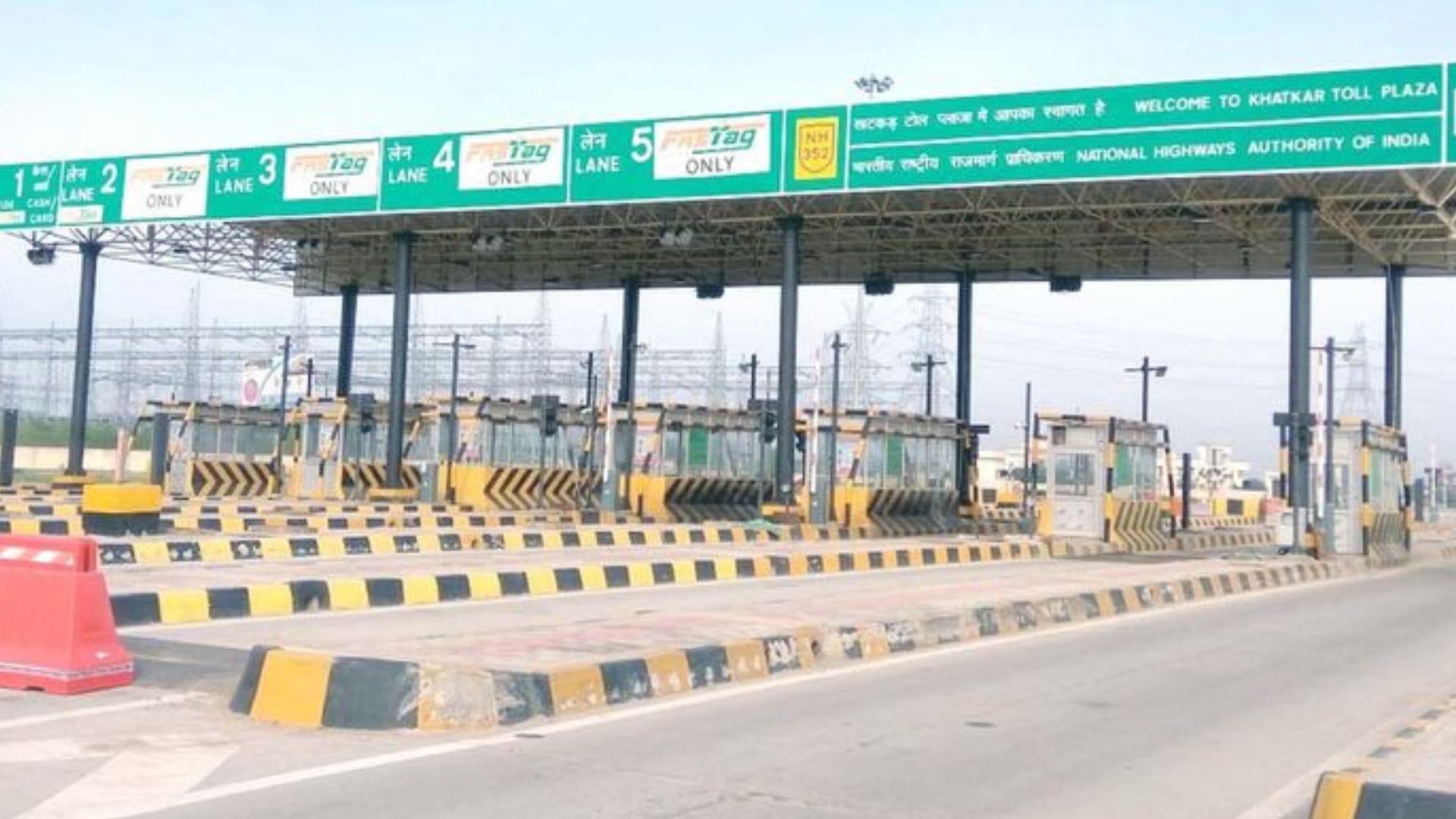
The Ministry of Road Transport and Highways has announced a new benefit for residents living within 20 kilometers of toll plazas on national highways. Starting November 1, these eligible residents will be able to obtain an annual concessional local FASTag pass to ease their daily commute and reduce travel costs. The announcement was made public on Thursday through an official notification.
Concessional Pass Details and Eligibility
The notification specifies that the annual fee for passes will be Rs 1,500 for toll plazas located outside municipal boundaries, while passes for toll plazas within municipal limits will cost Rs 3,000. Eligible non-commercial vehicle owners who hold a valid and active FASTag can choose between a monthly pass or the new annual concessional local pass for a specific toll plaza.
Importantly, the pass will be valid only at the toll plaza for which the fee has been paid and cannot be used at other toll plazas. Currently, local residents can purchase a monthly pass at Rs 360, which adds up to an annual expense of Rs 4,320. The new annual pass provides a more affordable alternative.
Restrictions on Pass Availability
The ministry clarified that residents along highways or expressways operating under the Closed User Fee Collection System will not be eligible for concessional passes. Furthermore, if alternative service roads or parallel routes exist for commuters, no concessional local passes will be issued at those toll plazas.
The ministry also highlighted the widespread use of FASTags across the country, stating that over 130 million FASTags have been distributed nationwide. This system helps streamline toll collection and improve traffic flow.
The key objective of this amendment is to offer a cost-effective travel option for local residents near toll plazas, making their day-to-day travel more affordable and convenient. The change was implemented under the powers granted by the National Highways Act, 1956, through the National Highways Fee (Determination and Collection) (Fifth Amendment) Rules, 2026.
The new provision is expected to benefit many who face higher travel expenses due to frequent toll charges and improve accessibility. By providing a concessional pass option, the ministry aims to support local commuters and promote efficient usage of toll infrastructure.
This move demonstrates the government’s effort to address public transportation concerns and ease the economic burden on residents living near toll plazas, aligning with larger policy goals for sustainable transport development.