

Hormuz Crisis and India’s 100-Day Test: Managing Oil Prices Amid Global Uncertainty
India navigates the Hormuz crisis by balancing rising global crude oil prices with measures to protect consumers and maintain economic stability.
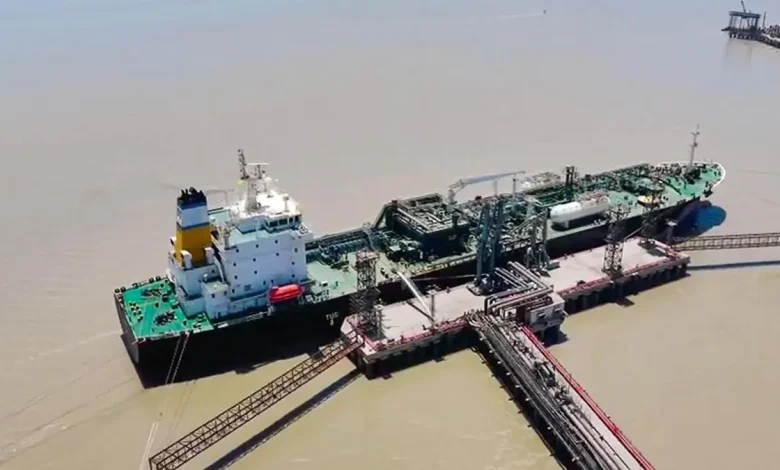
The Hormuz crisis puts India’s energy strategy to the test as the government works to manage rising oil prices, inflation, and economic stability.

The Union Government’s recent handling of the crisis surrounding soaring crude oil prices has drawn significant attention both domestically and internationally. Faced with unprecedented fluctuations in the global oil market, the administration has notably decided not to transfer the burden of increased costs to the everyday consumer. This strategic choice reflects a balancing act aimed at safeguarding the economy while protecting citizens from inflationary pressures.
Since the onset of the crisis, petrol and diesel prices worldwide have been subject to unpredictable surges, largely driven by geopolitical tensions and supply chain disruptions. In India, where millions rely heavily on affordable fuel for transportation and livelihood, the implications of these price hikes could have been deeply destabilizing.
Government officials have emphasized that cushioning the consumer against sudden spikes was essential to ensure economic stability and public confidence. By absorbing the increased expense within government reserves and curbing excise duties temporarily, the administration has demonstrated a commitment to social welfare without compromising fiscal responsibility.
Analysts suggest that this approach has also contributed to maintaining steady demand across sectors dependent on fuel. Many industry leaders acknowledge the challenge the government faces but commend the efforts to mitigate adverse effects on households and businesses alike.
Looking ahead, experts caution that sustained global uncertainties may continue to influence crude prices, necessitating careful monitoring and adaptive policy measures. Meanwhile, the government’s ability to navigate these complexities without passing costs to consumers remains a crucial factor in the country’s broader economic resilience.
In conclusion, the Union Government’s decision not to escalate fuel prices despite external pressures stands as a noteworthy example of crisis management, balancing macroeconomic stability with the immediate needs of the public.