
Dubai Focuses on India, Infrastructure, and Flexibility to Boost Tourism Growth
Dubai strengthens its tourism strategy with a focus on the Indian market, major infrastructure projects, and flexible travel initiatives to drive visitor growth.
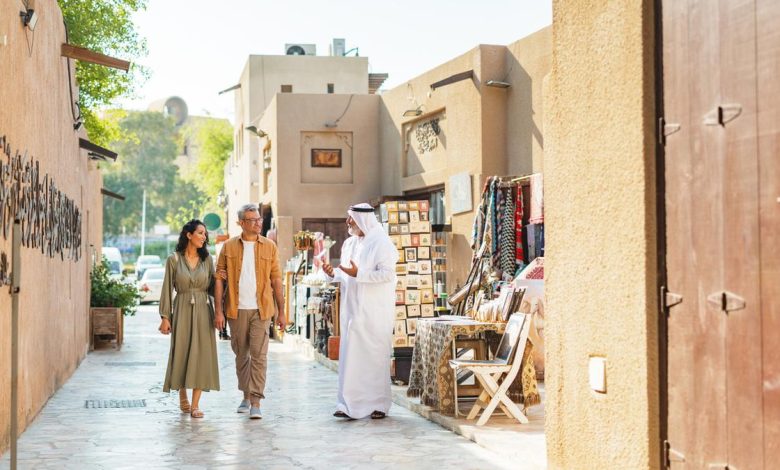
Dubai is expanding its tourism strategy by prioritizing India, investing in infrastructure, and introducing flexible initiatives to attract more international visitors.

Dubai, June 2024 – Amid evolving dynamics in the West Asian region, Dubai continues to position India as a pivotal market within its tourism strategy. Issam Kazim, CEO of the Dubai Corporation for Tourism and Commerce Marketing, emphasized the importance of India’s role in attracting visitors, despite ongoing geopolitical challenges reshaping global travel patterns.
According to Kazim, Dubai has reinforced its commitment to tourism growth this year through a multi-faceted approach. The emirate has allocated AED 2.5 billion in business support initiatives aimed at enhancing the sector’s resilience and appeal. This financial backing has been complemented by a calendar packed with high-profile events designed to draw both domestic and international tourists.
Among these is the annual Dubai Summer Surprises, a festival known for its shopping deals, entertainment, and family-friendly activities. Another highlight is the Summer Restaurant Week, which showcases Dubai’s diverse culinary scene and encourages locals and tourists alike to explore new dining experiences.
Long-term infrastructure developments also play a crucial role in Dubai’s tourism ambitions. The ongoing expansion of the Gold Line Metro is expected to improve connectivity across key districts, facilitating easier movement for visitors and residents. Additionally, investments in Al Maktoum International Airport aim to increase passenger capacity and enhance the emirate’s position as a global aviation hub.
Kazim underscored the need for adaptability in this fluid environment: “Flexibility is vital for sustaining growth. We are continuously assessing market trends and traveler preferences to ensure Dubai remains a top choice.”
Experts note that while the regional conflict poses challenges, Dubai’s diversified approach—leveraging strong ties with India, enhancing infrastructure, and promoting vibrant cultural events—positions it well to capture shifting tourism demand. The emirate’s strategy aims not only at recovery but at long-term growth, making it a resilient player in the competitive international tourism market.
As travel patterns evolve, Dubai’s innovative efforts signal a clear message: the city is ready to welcome the world with open arms, strong foundations, and a focus on what visitors value most. The tourism sector’s growth aligns with Dubai’s broader vision of sustainable economic development, ensuring the emirate remains a global destination of choice for years to come.