
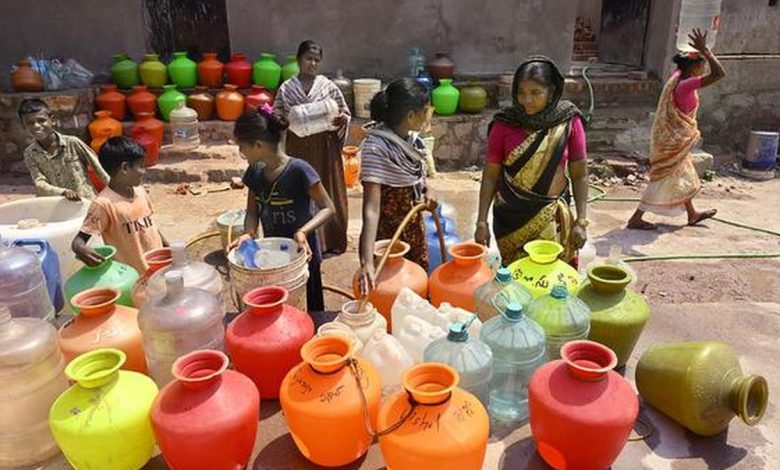
Urban India faces a growing crisis as water insecurity threatens the health and livelihoods of millions of residents. Experts now argue that sustainable water management in cities depends heavily on improving how used water is collected, treated, and reused.

Water scarcity is no longer an occasional problem in Indian metropolises; it has become a chronic issue. Rapid urbanization, increasing population density, and climate variability have put immense pressure on the existing water infrastructure. However, one of the most overlooked challenges is the inefficient management of wastewater.
Currently, a significant portion of used water is discharged untreated into rivers, drains, and other water bodies, polluting freshwater sources and reducing the overall availability of clean water. This practice exacerbates water shortages and poses serious public health risks.
Experts emphasize that enhancing water security in urban India requires a multi-faceted approach centered around wastewater management:
- Upgrading Treatment Facilities: Expanding and modernizing wastewater treatment plants to ensure that used water is effectively treated before reuse or discharge.
- Promoting Recycling and Reuse: Encouraging industries and municipalities to recycle treated wastewater for non-potable uses such as irrigation, industrial processes, and groundwater recharge.
- Implementing Decentralized Systems: Developing localized treatment solutions in urban neighborhoods to ease the burden on central infrastructure.
- Strengthening Policy and Governance: Establishing clear regulations and enforcement mechanisms to ensure compliance with wastewater treatment standards.
- Raising Public Awareness: Informing citizens about water conservation and the importance of wastewater treatment to encourage community participation.
Several Indian cities, including Pune and Chennai, have already begun implementing innovative wastewater treatment and reuse projects with promising results. These initiatives demonstrate that improving used water management can significantly alleviate urban water stress.
In conclusion, urban India’s path to water security runs through better management of used water. Without urgent intervention and investment in wastewater infrastructure, cities will continue to struggle with water shortages, impacting health, economic growth, and quality of life. Policymakers, urban planners, industries, and communities must collaborate to transform wastewater from a challenge into a valuable resource.