

Anil Ambani Secures Interim Protection from Coercive Action Under Black Money Act in Tax Evasion Case
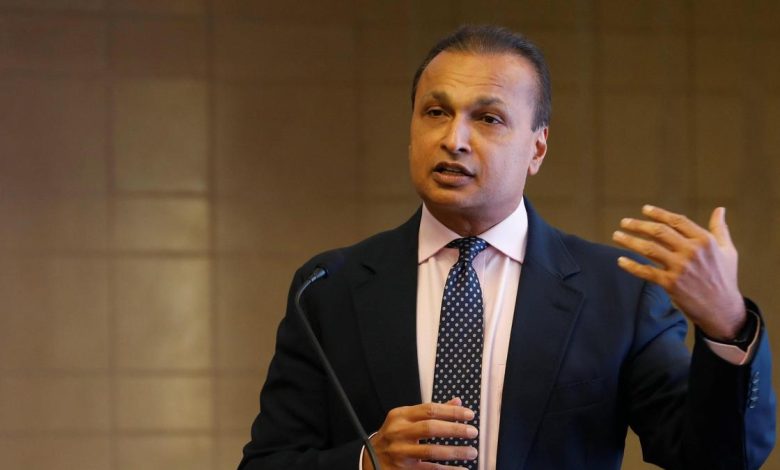
The Bombay High Court has provided interim relief to industrialist Anil Ambani by granting protection from coercive actions under the Black Money Act amid ongoing litigation. This development comes against the backdrop of an active assessment order that has already been passed against him, with Ambani currently petitioning the Commissioner of Income Tax (Appeals) to challenge the findings.


The case revolves around allegations of tax evasion, wherein the authorities have pursued legal avenues to recover undisclosed income and wealth. The Black Money (Undisclosed Foreign Income and Assets) and Imposition of Tax Act, 2015, seeks to curb the menace of unaccounted foreign assets by prescribing stringent penalties and enforcement mechanisms. In this context, the coercive actions could have included measures such as asset attachment, summons, or other enforcement steps to recover dues.
During the hearing, the court acknowledged that an assessment order concerning Anil Ambani had been finalized, but noted that the appellant had resorted to the statutory appeal mechanism as prescribed by law. Recognizing that the appeal process must be allowed to function without undue coercion, the court stayed any immediate enforcement actions pending the disposal of the appeal.
Legal experts observe that this interim relief provides the industrialist a temporary reprieve while maintaining the legal process, thereby balancing the government’s interest in tax compliance and the taxpayer’s right to due process. “Such stays are common in high-profile tax litigation cases, especially when appeals are actively pursued,” said a senior tax law practitioner.
The Bombay High Court’s order is notable as it reinforces judicial prudence in complex financial disputes, underlining the importance of procedural fairness. It also highlights the intricate nature of litigation involving the Black Money Act, where both enforcement agencies and individuals must navigate evolving regulatory frameworks.
As the case progresses, further judicial scrutiny is expected to unfold around the factual matrix of undisclosed assets, compliance with disclosure norms, and the legitimacy of the assessment order itself. Meanwhile, the stay granted serves as a temporary buffer against aggressive recovery actions.
Industry analysts note that such legal battles can have wider implications for corporate governance and investor confidence, emphasizing transparency and adherence to tax laws. For Anil Ambani, this episode adds to a series of legal contests that have shaped his public and corporate profile over recent years.
In conclusion, the Bombay High Court’s recent decision provides a significant, albeit temporary, shield for Anil Ambani in the face of tax scrutiny, underscoring the ongoing tussle between taxpayers and enforcement agencies in India’s tax ecosystem.