

Tata Steel Reports Delays in Securing Electricity Access for U.K. Plant’s Low-Emission Project
Tata Steel Faces Setbacks in Electrical Connectivity for U.K. Low-Emission Initiative
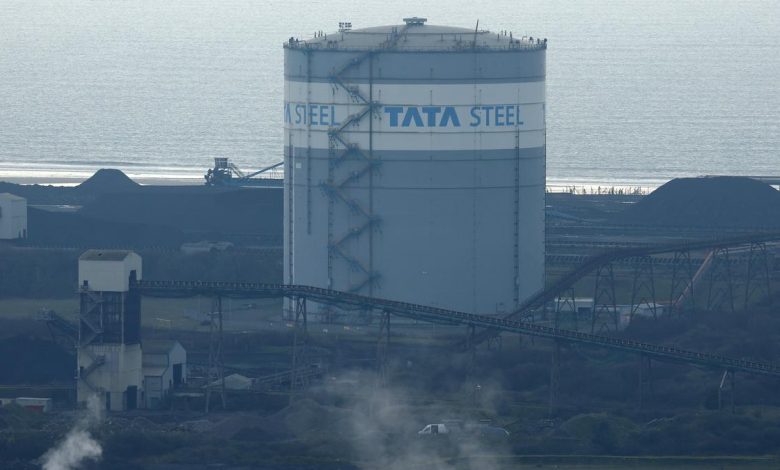
Koushik Chatterjee, Executive Director and Chief Financial Officer of Tata Steel, has confirmed delays in securing necessary electricity access for a low-emission project at the company’s U.K. plant. The development underscores ongoing challenges in upgrading electrical infrastructure to meet future environmental goals.


Tata Steel is in active collaboration with the Electricity System Operator (ESO) and National Grid to establish the new electrical infrastructure required for its ambitious low-emission plan. However, the National Grid has formally notified Tata Steel that the connectivity project is experiencing delays, which could impact the timeline of the plant’s transformation.
The low-emission project, part of Tata Steel’s wider sustainability strategy, aims to significantly reduce carbon emissions in line with global climate commitments. Achieving reliable and sufficient electricity access is critical, especially as the plant transitions toward greener production methods that heavily depend on clean and renewable energy sources.
“While we are working closely with ESO and National Grid, the delays in connectivity are a concern that we are actively addressing,” said Chatterjee. He further emphasized that Tata Steel remains committed to overcoming these challenges and advancing its decarbonization targets despite infrastructural constraints.
Industry analysts highlight that such delays in grid upgrades are common amid increased demand for electricity and the complexity of integrating renewable energy at scale. Regulatory approvals, technical constraints, and capacity limitations often contribute to extended timelines for connectivity projects.
Tata Steel’s U.K. operations play a vital role in the region’s economic landscape, providing numerous jobs and supporting local industries. The success of the low-emission project not only has environmental significance but also positions the plant as a leader in sustainable steel manufacturing.
With growing pressure on the steel sector to reduce its carbon footprint, Tata Steel’s experience accentuates the critical need for enhanced coordination between industry players and energy providers to accelerate infrastructure development.
As the company navigates these setbacks, it is also exploring alternative approaches and potential collaborations to ensure the project’s momentum is maintained. Stakeholders remain hopeful that the connectivity challenge can be resolved promptly, enabling Tata Steel’s U.K. plant to emerge as a benchmark for green steel production.