
IITs Promote Cross-Disciplinary Learning by Bringing MBBS and BTech Graduates Together
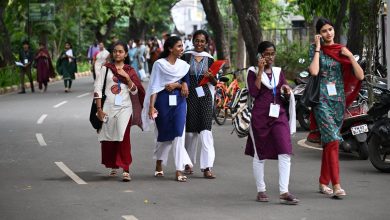
Indian Institutes of Technology are encouraging interdisciplinary education by integrating MBBS and BTech graduates in shared classrooms to drive innovation in healthcare and technology.
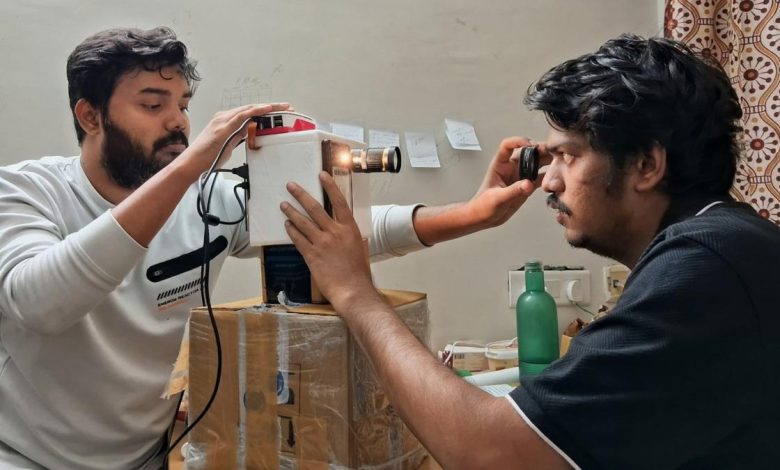
IITs are fostering cross-disciplinary learning by bringing MBBS and BTech graduates into shared classrooms, promoting innovation in healthcare, technology, and research.

In a groundbreaking move that could reshape higher education paradigms, the Indian Institutes of Technology (IITs) have started integrating students from vastly different academic backgrounds, specifically MBBS and BTech graduates, into the same classrooms. This initiative aims to encourage cross-disciplinary learning by blending the technical expertise of engineering students with the clinical insights of medical graduates.
The decision reflects growing recognition of the benefits of interdisciplinary education in addressing complex real-world problems. As the boundaries between science, technology, and healthcare continue to blur, institutions like the IITs see immense value in fostering collaboration among students with diverse academic profiles.
Under this new scheme, MBBS graduates enrolling in certain research-oriented or technology-based programs will attend courses alongside BTech students. This co-learning environment is designed to stimulate innovation by combining medical knowledge with engineering and technological skills. For instance, projects related to biomedical devices, healthcare informatics, and telemedicine stand to gain significantly from such collaboration.
Dr. Anil Kumar, a senior faculty member involved in implementing the program, emphasized the importance of this approach. “By encouraging MBBS and BTech students to share their perspectives, we are preparing graduates who can contribute holistically to healthcare technology advancement. The challenges we face today require solutions that cross traditional disciplinary boundaries,” he remarked.
Students have also expressed enthusiasm about the initiative. Madhuri Sharma, an MBBS graduate currently enrolled in an IIT technology program, said, “Learning alongside engineering students has broadened my understanding of how to leverage technology in medical practice. It’s exciting to be part of a community where knowledge is shared across fields.” Meanwhile, BTech students have appreciated the clinical insights their peers bring, grounding theoretical concepts in real-world applications.
Experts in education have lauded the IITs for their forward-thinking policies, asserting that such interdisciplinary exposure is critical for innovation and employability in the 21st century. The fusion of medical and technical education can accelerate developments in areas like artificial intelligence in diagnostics, robotic surgery, and personalized medicine.
However, integrating students from such different academic spheres comes with challenges. Aligning curricula, managing diverse academic backgrounds, and ensuring effective communication are key issues the institutes are addressing. Faculty members are developing tailored course materials and fostering collaborative projects to maximize learning outcomes.
As the program gains momentum, the IITs plan to expand cross-disciplinary opportunities across other streams, potentially involving graduates from fields like business, design, and the humanities. The initiative represents a significant step toward evolving India’s higher education system into a vibrant ecosystem that champions interdisciplinary innovation.
Overall, the integration of MBBS and BTech graduates within IIT classrooms marks a visionary effort to prepare future professionals capable of tackling complex, multifaceted challenges faced by healthcare and technology sectors alike.