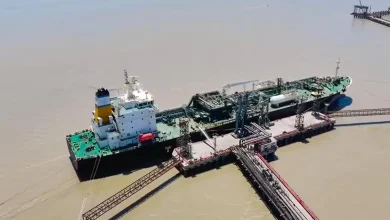

Hormuz Strait Maritime Traffic Declines After Ship Attacks, Global Security Concerns Rise
Reduced vessel movement through the Strait of Hormuz following recent attacks on commercial ships raises concerns over global oil supply, maritime security, and international trade.
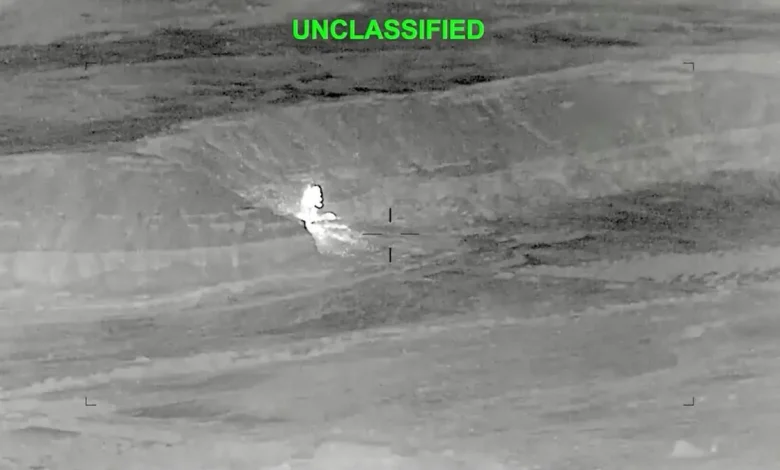
Maritime traffic through the Strait of Hormuz has declined after recent attacks on commercial ships, raising concerns over global oil supply, shipping security, and international trade.

Over the past weekend, maritime traffic through the strategic Strait of Hormuz witnessed a noticeable decline, a situation that has sparked growing concerns internationally. This reduction in vessel movement comes in the wake of several reported attacks on ships passing through the busy waterway, according to the latest tracking data.
The Strait of Hormuz is one of the world’s most crucial maritime chokepoints, linking the Persian Gulf with the Arabian Sea and serving as a transit route for approximately 20% of global petroleum shipments. Any disruption here can have significant implications on global oil supply and prices.
Tracking data indicates that only a handful of vessels made unescorted open transits through the strait over the weekend—a sharp contrast to the usual volume of ships that traverse this passage daily. Officials attribute this dip to heightened security concerns raised by recent incidents involving attacks on commercial vessels. Although specifics on the nature of these attacks remain classified, international maritime agencies are actively investigating and urging caution.
Experts warn that these hostile actions not only threaten the safety of crew members and shipping operations but also risk escalating geopolitical tensions in a region already fraught with conflict. Shipping companies have reportedly increased security measures, including rerouting some vessels around longer, alternative pathways or opting for convoy transits with naval escorts.
Local authorities and international powers continue to monitor the situation closely, emphasizing the importance of ensuring free and safe navigation through the Strait of Hormuz. They call for increased diplomatic efforts to stabilize the region and prevent further disruptions to one of the world’s most vital marine trade corridors.
As investigations proceed, the maritime industry and global markets remain alert, understanding that any prolonged disturbance in this strategic waterway could have far-reaching economic repercussions.