

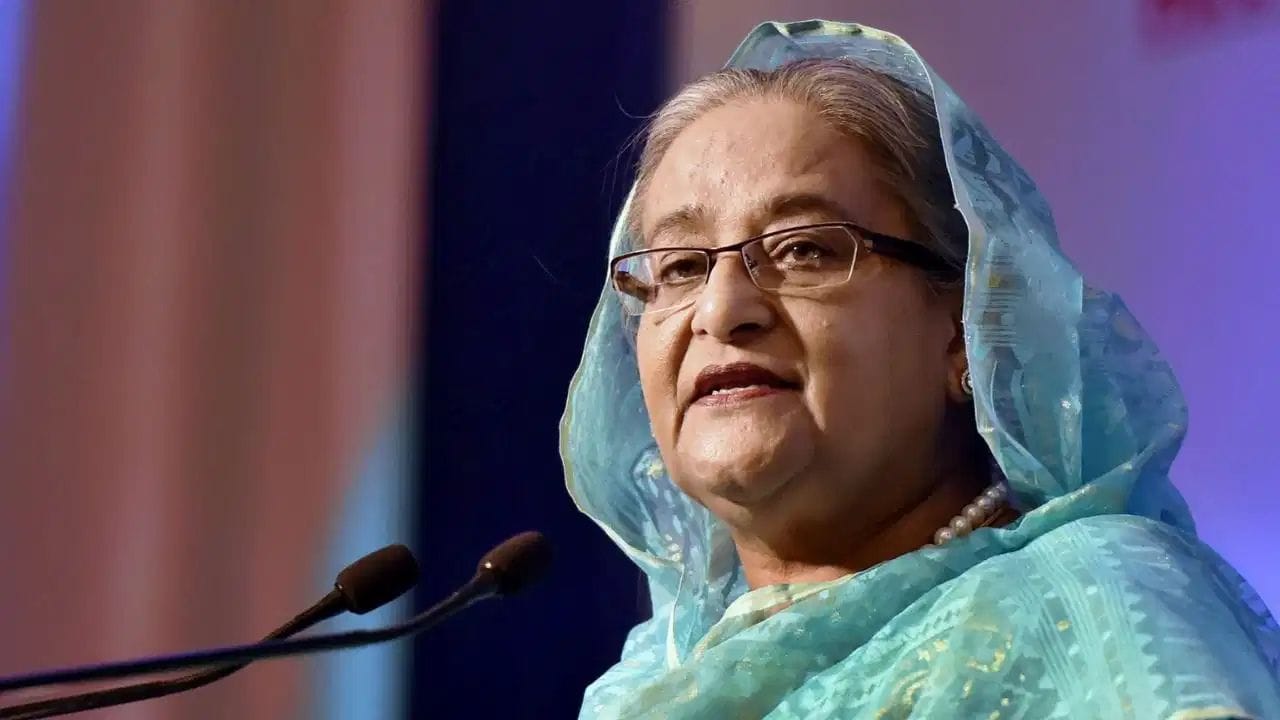
Former Bangladesh prime minister Sheikh Hasina has made clear she will return home in December, even though she faces possible arrest on arrival and danger inside jail. Diplomacy around her planned comeback has gathered pace, with Dhaka saying its legal steps are done and New Delhi yet to decide its next move. Hasina has lived in India since leaving Bangladesh in August 2024, and Bangladesh has been seeking her extradition.
Hasina says she knows the risks of returning
In an interview with an Indian news agency, Sheikh Hasina said she understands what may happen once she reaches Bangladesh. She could be arrested, or killed in custody, she said. Even so, the former prime minister said she no longer worries about her life or the consequences, and will not step back from her decision to go home.
Hasina said the people of Bangladesh and leaders and workers of the Awami League are waiting for her return. That, in her view, makes going back necessary. The central question, however, is how she would travel to Bangladesh, given that she has stayed in India since August 2024 and Dhaka is pressing for her handover.
Two conditions India is said to have set
According to a BBC Bangla report published on Thursday, India is exploring a route for Sheikh Hasina’s return but has attached two conditions. Neither India nor Bangladesh has officially confirmed these conditions. The report said New Delhi wants the Bangladesh Army to take responsibility for bringing her back, with a military aircraft flying her from New Delhi to Dhaka.
The second condition concerns her legal protection. India reportedly wants Hasina to have the right to appeal against a death sentence after she returns. It also wants the door kept open for a fresh hearing in the case linked to the July 2024 events. On Friday, Indian external affairs ministry spokesperson Randhir Jaiswal was asked about the reported conditions, including the military aircraft and her legal rights, and said he had nothing to say on the matter.
Bangladesh says extradition process is complete
Bangladesh law minister Asaduzzaman said on Saturday in Dhaka that his government had taken all necessary steps on its side under the legal process for her return. Speaking to reporters after an event at the Bangladesh-China Friendship Conference Centre, he said Hasina would come back legally. Asked whether she would be given a legal opportunity to return, the minister said extradition under the existing treaty is itself a legal process.
Asaduzzaman said it is for New Delhi to decide what India does next. He also cited Article 47(3) of a 1973 law, saying a person accused or convicted of crimes against humanity cannot claim fundamental rights. On whether Hasina could return through a third country, he said only the Indian government could answer that question.
Passport problem clouds the return plan
The passport is another major hurdle. Bangladesh’s junior foreign minister has already indicated that a decision to issue her a passport will not be easy. Reports say Hasina has written to the Bangladesh High Commission in New Delhi asking for a passport and a national identity card. It remains unclear whether Dhaka will take the risk of issuing one.
Even travel through a third country would need travel documents, plus a diplomatic understanding with that country. Hasina has reportedly told the foreign ministry she will return at her own responsibility and not put India in any difficulty. Analysts cited in the report, however, said India would still face questions if she were arrested or placed in danger after reaching Bangladesh.
UN monitoring among options under discussion
Experts believe India will not send Hasina back without solid security guarantees from the current Bangladesh government, which is why New Delhi has not given a final answer to the extradition request. According to the report, two options are being discussed: a return arranged with help from a third country, or a return agreed with the government of Muhammad Yunus’s interim administration, referred to in the source as the Tarique Rahman government.
Veena Sikri, a former Indian high commissioner to Bangladesh, said arranging Hasina’s return under United Nations monitoring could be a better option for New Delhi. That would ensure international oversight of her safety and the legal process. The report also noted that political tension has persisted in Bangladesh, with reports since early November of clashes between Awami League workers and supporters of the ruling BNP, and attacks on BNP and Jamaat offices.