

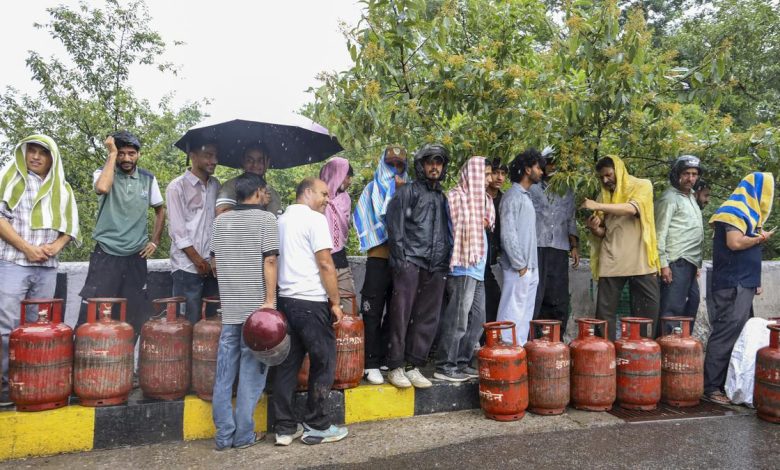
The recent restrictions on the supply of the 19.2-kg LPG cylinder have sent ripples through various sectors, especially hospitality, restaurants, and heavy industries. This supply constraint has raised concerns over operational continuity and cost implications across these vital areas of the economy.


The 19.2-kg cylinder is a preferred fuel source for many businesses due to its portability and efficient energy output. However, the newly implemented directives have limited the availability of these cylinders, forcing organizations to seek alternative arrangements or face potential disruptions.
Sachin Sahare Chindwara-Express
Best Corrugated Box Mfr. in Vapi, Pardi, Daheli, Valsad Vidhisha Paper Mill
Best ENT Clinic in Pune Dr. Yande’s Speciality Daycare
Best Dental Clinic in Pune Jahangir Oracare dental Care
Digi Savvy Launched New Digital Platform dedicated to Real Estate Marketing
Cleanliness Campaign in Chander Vihar by Gauri Shankar Foundation
Gitz Green Energy Powering India’s Sustainable
The Cyber Security Movement Quietly Shaping India’s Next Generation
From Microphone to Manuscripts RJ Aman Singh
RJ Aman Singh Radio Jockey
In the hospitality and restaurant sectors, LPG cylinders are central to day-to-day cooking operations. With curtailed supplies, many establishments are grappling with shortages, leading to modified menus, reduced operating hours, or increased reliance on costlier fuel options. This situation has also prompted some businesses to accelerate the adoption of electric or induction cooking equipment, though such transitions require time and investment.
Heavy industries, which rely on LPG cylinders for processes such as metal cutting, heating, and power generation, are equally affected. Restricted access to the 19.2-kg cylinders has caused delays in production schedules, impacting overall productivity and, by extension, supply chains downstream.
Industry leaders and associations have urged regulatory bodies to revisit the supply constraints and explore measures to stabilize availability. Proposed solutions include prioritizing allocations for critical sectors and incentivizing alternative energy use.
While the supply directives aim to manage resource distribution more effectively, their implementation underscores the need for comprehensive support mechanisms to mitigate adverse effects on impacted businesses. Moving forward, stakeholders anticipate collaborative efforts to ensure both energy security and economic stability.