

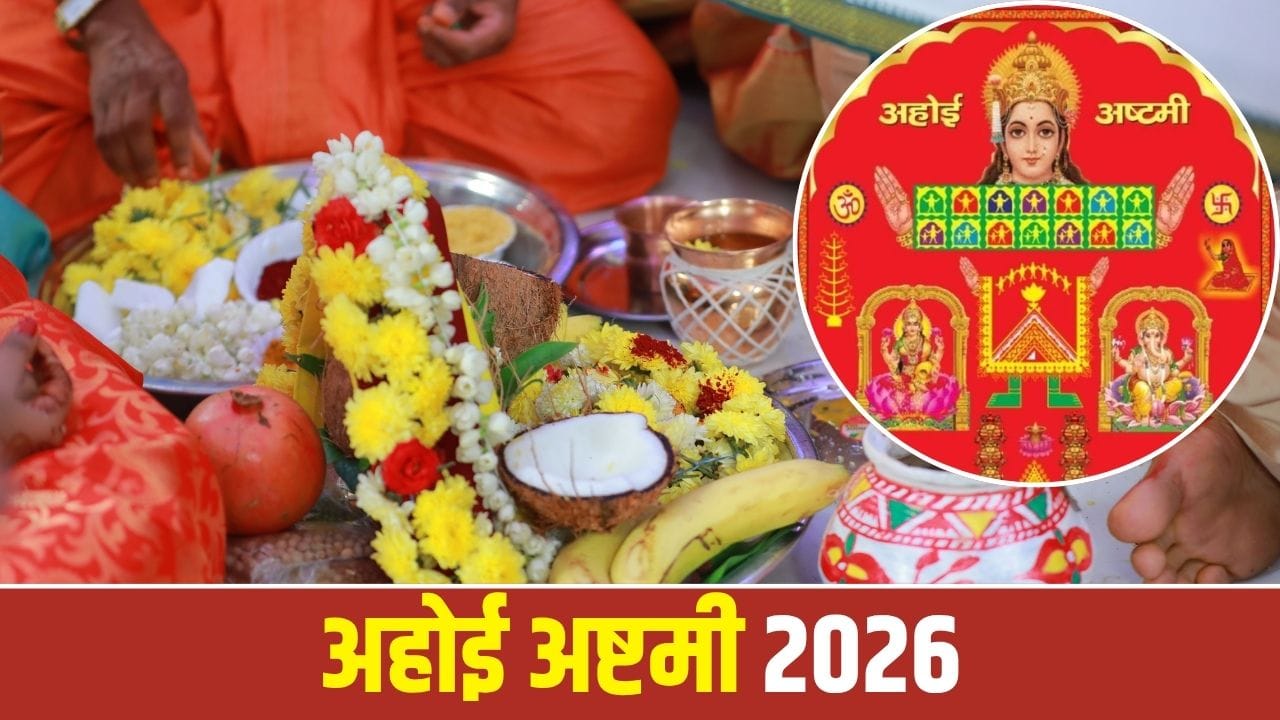
Ahoi Ashtami, a significant Hindu observance for child welfare and longevity, will be celebrated on Sunday, 1 November 2026. Devotees, primarily mothers, perform a fast and worship Ahoi Mata with great devotion. This festival is believed to remove obstacles affecting children and bring happiness and prosperity to families.
Significance and Rituals of Ahoi Ashtami
The fast for Ahoi Ashtami is predominantly observed by mothers for the well-being of their children. Many women fast without water from sunrise until the evening star appears, dedicating the day to Ahoi Mata’s worship. At dusk, special prayers and offerings are made to Ahoi Mata, and the fast concludes after offering water to the stars.
Religious beliefs emphasize that worshipping Ahoi Mata on this day protects children from harm and ensures family happiness. The puja is conducted meticulously, following traditional rituals to honor the goddess and seek her blessings.
The Essential Items for Ahoi Ashtami Puja
A key feature of Ahoi Ashtami is preparing a puja thali with specific items to perform the rituals properly. The centerpiece is an image or calendar of Ahoi Mata, often depicted along with the children of Syahu, a figure linked to the festival. In many households, a mural or illustration of Ahoi Mata is drawn on the wall with red ochre.
A clean wooden platform or “chowki” is placed for the deity’s image, draped with red or yellow cloth, colors symbolizing auspiciousness. Traditional puja materials include roli, kumkum, and turmeric for marking tikas and creating auspicious symbols during worship.
Unbroken grains of rice, known as akshat, play an important role in the ritual. They are offered to Ahoi Mata after applying a tilak. The usage of incense sticks, camphor, and dhoop enhances the sanctity of the environment during the aarti ceremony.
Water in a vessel such as a lota, kalash, or karwa is kept nearby for ritual purposes. In some families, the same karwa used on Karwa Chauth is also part of the puja setup. Water is subsequently used to offer to the evening stars, marking the end of the fast.
A unique tradition includes wearing or displaying a silver mala made of syahu and pearl beads, symbolically associated with Ahoi Mata. Seasonal fruits like bananas, apples, pomegranates, and water chestnuts are offered as prasad. In some regions, radishes also form part of the offerings, considered sacred in the festival context.
The puja thali may also include items for adorning the goddess, such as kalava threads, bindis, bangles, kajal, and a red chunari. Mothers adorn the Ahoi Mata with these to complete the ritualistic worship. Reading or listening to the Ahoi Ashtami vrat katha from a book is an integral part of the celebration, explaining the festival’s origins and blessings.
Ahoi Ashtami remains a vital festival for mothers, invoking divine protection for their children. Following the prescribed rituals and preparing the puja items with devotion are believed to bring family well-being and safeguard the young ones from adversity.