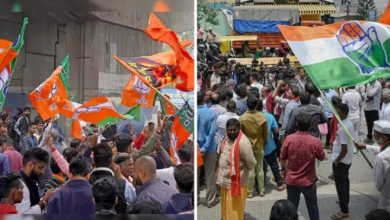

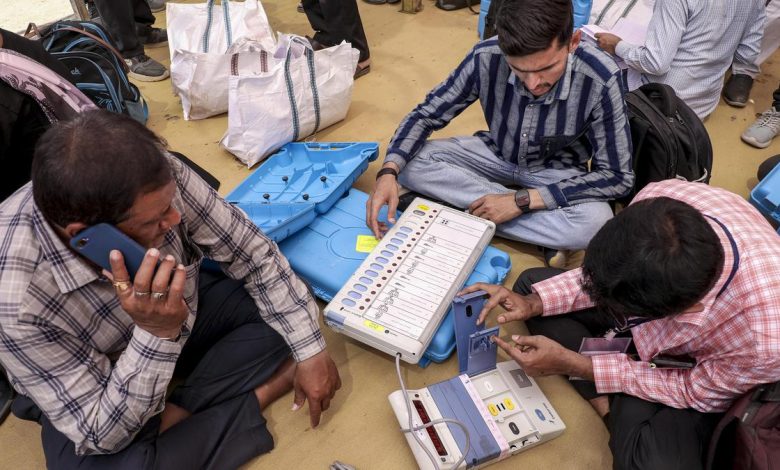
The recent local body elections in Gujarat have brought to light significant political trends across the state. Of the total 9,986 seats contested, the Bharatiya Janata Party (BJP) stood out by winning 717 seats uncontested. This outcome reflects the party’s considerable influence and presence in various regions of Gujarat.

Winning seats without facing any opposition candidates indicates not only the BJP’s organizational strength but also the lack of competition from other political parties or independent candidates in those areas. Such an advantage can impact the overall dynamics of local governance and political balance within the state.
Local body elections are critical as they shape grassroots governance, impacting daily life through decisions on infrastructure, civic amenities, and local development. The BJP’s dominance in a large number of uncontested seats may allow it to implement policies more efficiently at the local level, aligning with its broader political agenda.
Experts note that uncontested victories often signal either overwhelming popularity or strategic moves by other parties to focus resources elsewhere. It also raises questions about the health of democratic competition in these constituencies and whether political dissent and representation are adequately sustained.
The 2026 elections also serve as a barometer for upcoming state assembly and national elections, highlighting voter preferences and party strengths. The BJP’s robust performance is likely to reinforce its position ahead of larger electoral battles in Gujarat.
Analysts recommend close monitoring of such uncontested wins to understand voter engagement and the effectiveness of opposition strategies. Strong democratic processes thrive on competitive elections, and efforts to encourage wider participation in local polls remain crucial.
Overall, the Gujarat local body election results underline the BJP’s entrenched presence and hint at challenges for opposition parties in gaining ground. Future elections will reveal how these dynamics evolve and impact governance in the region.