

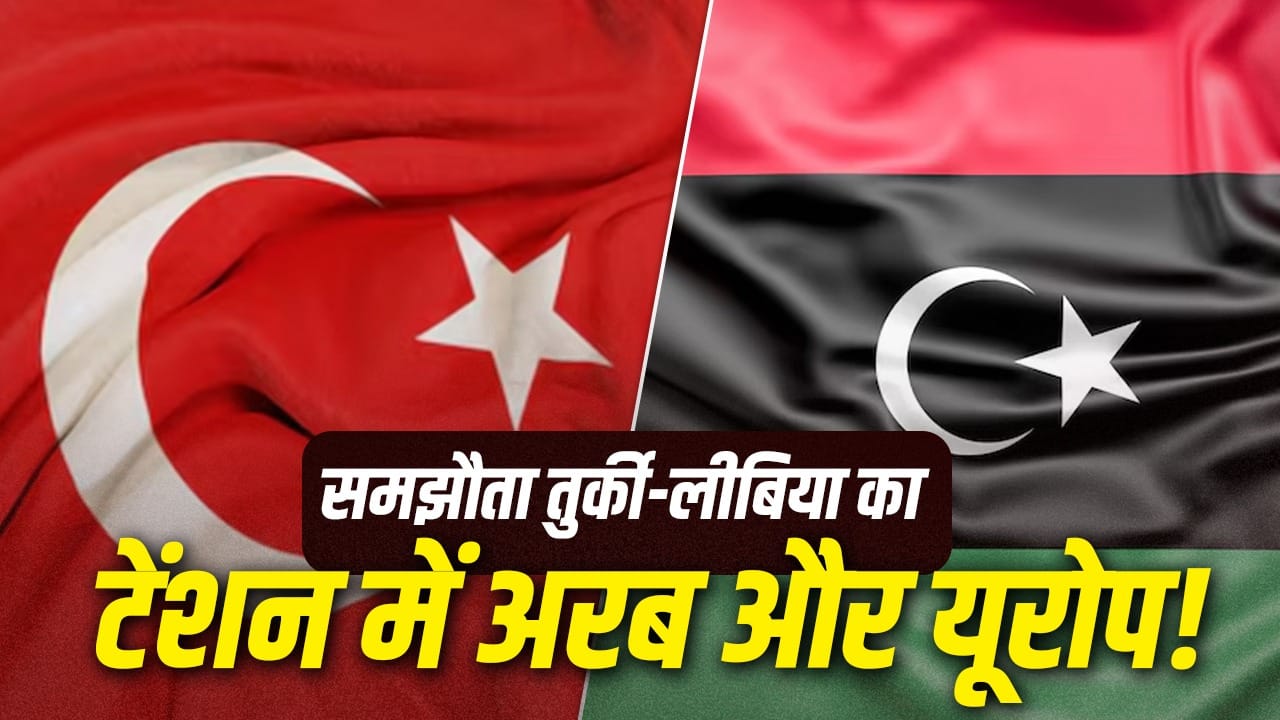
Tensions in the Eastern Mediterranean have intensified following the Turkey-Libya maritime agreement, sparking widespread opposition from Greece, Egypt, Bahrain, and the UAE. These countries argue that the deal threatens regional security, violates international law, and undermines their maritime rights. Turkey, however, defends the pact, stating that the objections lack solid grounds.
Background of the Turkey-Libya Agreement
In 2019, Turkey and Libya’s internationally recognized Government of National Accord (GNA) in Tripoli signed a maritime boundary deal that redefined their territorial waters in the Eastern Mediterranean. Recently, Libya’s eastern parliament also approved this agreement, thrusting the issue back into the spotlight. The deal aims to delineate maritime borders, granting fishing and resource exploration rights. Turkey’s unique geographical position and Libya’s southern Mediterranean coastline allow jointly enhanced access to valuable offshore oil and gas sectors.
The pact is more than a bilateral matter. It directly challenges Greek and Cypriot claims to surrounding seas. Greece insists that the agreement disregards its islands and territorial entitlements, reflecting the ongoing border disputes that have persisted since the deal’s inception. The conflict thus intertwines legal, economic, and strategic interests across the region.
Who Opposes the Deal and Why?
Greece is the most vocal opponent, asserting that the deal infringes on its maritime rights around islands such as Crete. Athens fears that the accord could hinder future hydrocarbon exploration projects. Cyprus shares these concerns, viewing the agreement as a potential trigger to exacerbate existing maritime disputes over energy resources and boundaries in the Eastern Mediterranean.
Egypt’s objections reflect concerns not only over maritime sovereignty but also over regional security and energy aspirations. As Egypt aims to become a regional energy hub, it views the Turkey-Libya agreement as a threat to planned energy cooperation and gas production efforts. Meanwhile, Bahrain and the UAE have jointly criticized the pact, emphasizing the importance of resolving maritime disputes through international law to safeguard regional stability and prevent infringement upon other countries’ rights.
The root causes of this dispute are threefold: contested maritime boundaries, competition for offshore oil and gas reserves, and the strategic rivalry between Turkey and Greece. According to international maritime law, coastal states have rights to certain maritime zones, but overlapping claims often complicate these determinations. Greece advocates that its islands are entitled to maritime zones, while Turkey challenges some of these assertions.
Natural gas fields in the Eastern Mediterranean represent significant economic stakes. The 2019 agreement poses risks to future investments, with companies wary of pursuing projects in disputed territories. Greece responded to this by granting exploration licenses near Crete to a Chevron-led consortium and is attempting separate agreements with Libya to secure its claims.
Turkey and Greece are both NATO members yet have longstanding tensions over maritime and airspace boundaries. Turkey views the Libya deal as a strategic move to strengthen its foothold in the region, a development Athens perceives as a direct challenge to its sovereignty. The acceptance of the deal by Libya’s eastern parliament indicates shifting political dynamics within Libya itself, where historically divided eastern and western administrations have now endorsed the agreement at different times.
In sum, the Turkey-Libya maritime pact reignites debates about rightful territorial claims and resource exploitation in the Eastern Mediterranean. Without diplomatic resolution, the dispute may escalate tensions, impacting future energy projects, foreign investments, and regional cooperation efforts.