

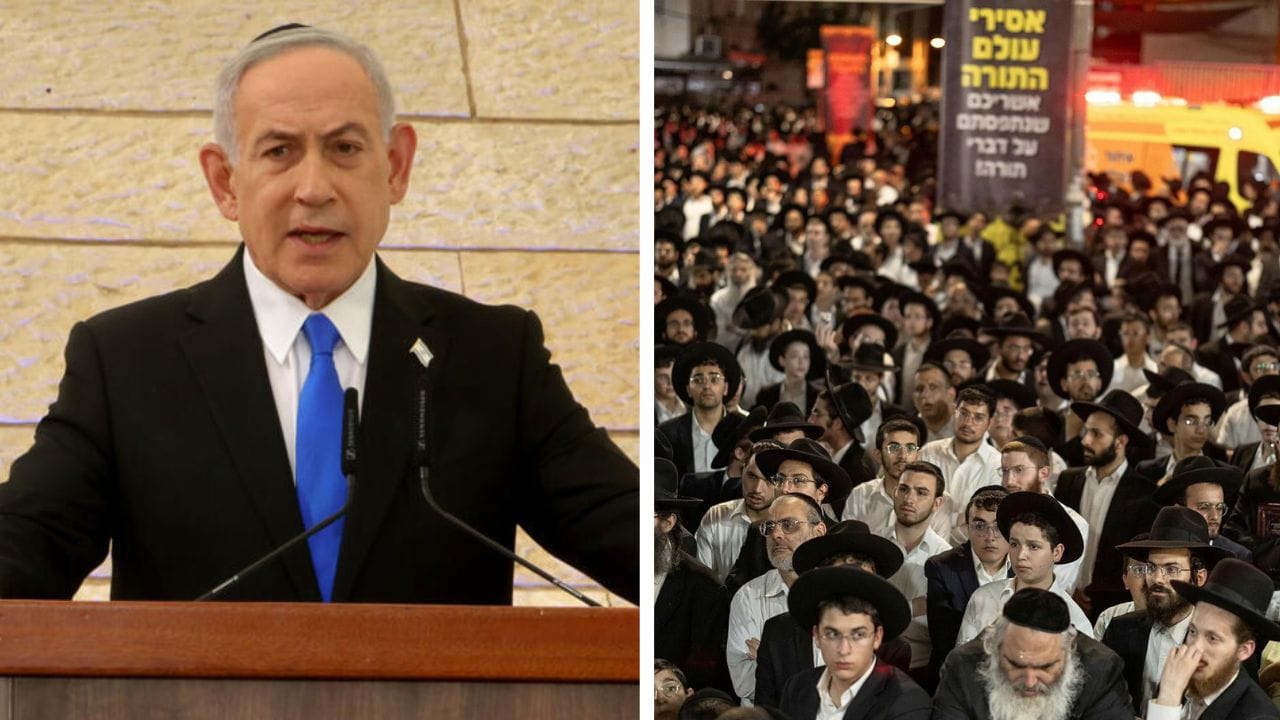
Israel is heading to parliamentary elections on October 27, marking a significant moment in the country’s political history. This vote is not just about Benjamin Netanyahu’s fate but is seen as a defining event that could reshape the landscape of West Asia. Both Israeli and international observers are closely watching, with U.S. President Donald Trump also deeply invested in the outcome.
Netanyahu, Israel’s longest-serving prime minister with a combined tenure of 17 years, faces intense challenges to his political dominance. His leadership has been consistently linked with Israel’s electoral politics, making this election particularly important. Analysts believe that the results will influence alliances and policies throughout the region.
Trump’s High Stakes in Israeli Politics
For Donald Trump, Netanyahu’s victory is crucial. The U.S. president has publicly supported Netanyahu, emphasizing that electing him will continue the work started under his administration. Trump argues that Netanyahu’s government would align closely with his foreign policy, especially efforts to extend influence to key Muslim nations like Saudi Arabia.
Trump has framed Israel’s election as more than an internal affair; it is tightly linked to America’s West Asia strategy and regional stability. Recently, he claimed Netanyahu enjoys 99% approval among Israelis, signaling confidence in his continued leadership if re-elected.
Meanwhile, Netanyahu has intensified his campaign efforts, urging citizens to vote and stressing the fragile nature of the current situation. He warned that the election outcome heavily depends on voter participation, underlining the need for public support to maintain security and prosperity in Israel.
Iran and Internal Political Battles
Netanyahu has repeatedly highlighted the threat from Iran to rally voters. He promises that a victory will lead to removing the threat of destruction posed by Iran and usher in unprecedented security and economic growth. His opponents, including Yair Lapid and Gadi Eizenkot, counter that Netanyahu is merely trying to entrench himself in power through an interim government. Eizenkot has pledged to remove Netanyahu if given the chance.
Iran, meanwhile, has taken a dismissive stance on the election, with Foreign Ministry spokesman Esmail Bakaei describing it as a contest between Israeli factions competing over who is more violent. He expressed indifference to who wins, underscoring Iran’s hostile view of Israel irrespective of its leaders.
The October 7 Hamas attacks and subsequent regional conflicts have heightened tensions just before the vote. Netanyahu fears Tehran could interfere with the election, adding to his concerns over internal challenges, including reports that the Israeli Defense Forces’ chief may refuse to follow orders to strike Iran. This situation intensifies doubts about Netanyahu’s political and military position ahead of voting day.
Complications also extend to Netanyahu’s legal situation, with fears that losing could mean imprisonment due to ongoing cases against him. The stakes are not only personal but strategic, as the U.S. Gaza investment plan could be jeopardized without Netanyahu’s victory. The political and security future of Israel remains deeply uncertain as election day approaches.