
Tamil Nadu Assembly Speaker J.C.D. Prabhakar’s Decision Recalls 2017-18 AIADMK MLAs Experience
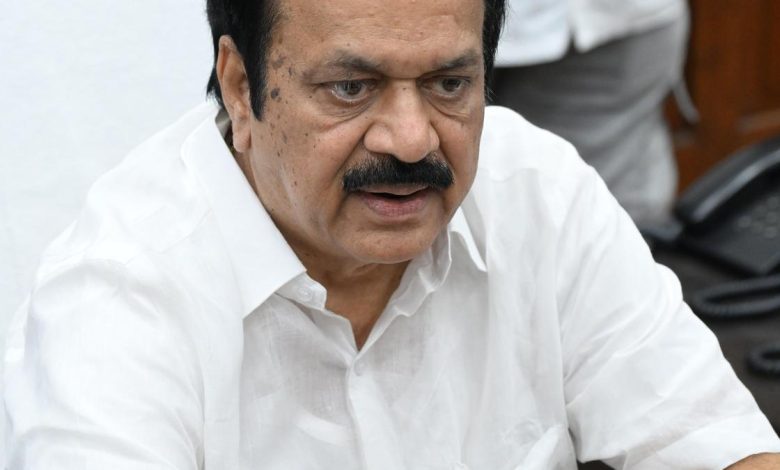
A decision by Tamil Nadu Assembly Speaker J.C.D. Prabhakar to revisit disqualification proceedings against certain MLAs has revived memories of a notable precedent from 2017-18 involving 11 AIADMK legislators. The move has drawn attention across political and legal circles, recalling how such proceedings can shape a state’s legislative balance.

The current development
According to reports, the Speaker’s decision to re-examine disqualification proceedings has reopened debate about the powers and discretion of the presiding officer in such matters — a recurring theme in Indian legislative politics.
Background: the 2017-18 precedent
In 2017, 11 AIADMK MLAs faced the threat of disqualification, a step that could have reshaped Tamil Nadu’s legislative landscape. The then Speaker, P. Dhanapal, chose not to pursue disqualification against them — a decision widely seen as significant for the state’s political stability at the time.
How disqualification works
Under India’s anti-defection framework, the Speaker plays a central role in deciding disqualification questions, such as those arising when legislators are accused of defying their party. Because this discretion can influence a government’s numbers, such decisions are closely scrutinised and often contested in courts.
Why it matters
Disqualification cases sit at the intersection of law, party politics and the independence of the Speaker’s office. How they are handled affects both legislative arithmetic and public confidence in due process.
Frequently Asked Questions
What 2017-18 episode is being recalled?
The threatened disqualification of 11 AIADMK MLAs, which the then Speaker chose not to pursue.
Why is the Speaker central to such cases?
Under anti-defection rules, the Speaker decides disqualification questions in the Assembly.
Reported by the DW24 News desk; based on available information.