

Henry Noltie’s ‘Flora Indica’: Unveiling the Hidden Stories Behind Kew’s Indian Botanical Drawings
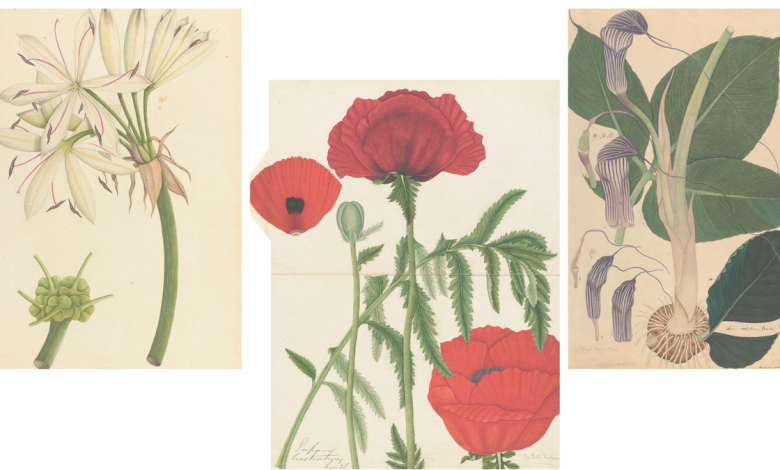
Scottish botanist Henry Noltie has helped revive an overlooked chapter of India’s botanical heritage with his book Flora Indica: Recovering Lost Stories from Kew’s Indian Drawings. The work shines a light on exquisite botanical illustrations held at the Royal Botanic Gardens, Kew — artworks that document the diversity of Indian flora with remarkable scientific and artistic detail.

Rediscovering botanical art
Many of these drawings were created during the colonial period and capture a vast array of Indian plants that have fascinated botanists and artists for centuries. Noltie’s research brings them back into public view, framing them not just as scientific records but as cultural artefacts that tell stories of exploration, history and natural beauty.
Why these drawings matter
Before photography, detailed botanical illustration was how plant species were documented and shared across the world. These works therefore sit at the crossroads of science and art — precise enough for study, beautiful enough to be admired in their own right.
A bridge between past and present
By recovering and contextualising these images, Noltie’s book connects historical scholarship with contemporary appreciation of botanical art, reminding readers of the labour and artistry behind early natural-history documentation.
Why it matters
Projects like this preserve cultural and scientific heritage that might otherwise remain hidden in archives — keeping alive the stories of how India’s natural world was studied and depicted.
Frequently Asked Questions
What is the book about?
Botanical illustrations of Indian flora held at Kew, and the stories behind them.
Why are the drawings significant?
They are both scientific documents and cultural artefacts from a pre-photography era.
A culture feature by the DW24 News desk.