

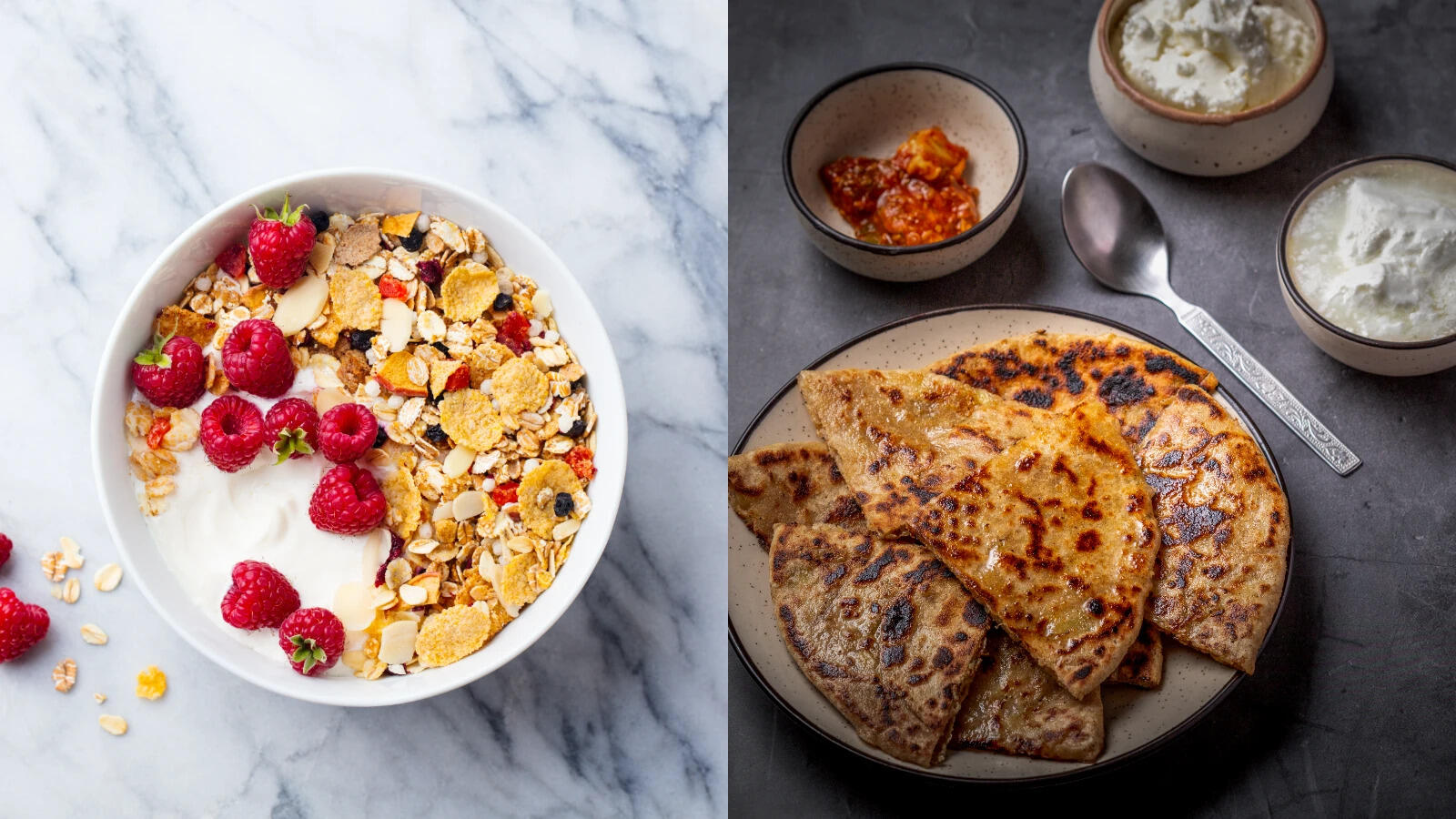
A recent video by a social media influencer has sparked a debate on traditional meal timings and their relevance to our health. The influencer claims that the concepts of breakfast, lunch, and dinner originated from the British, not our culture. The common belief that breakfast is the most important meal of the day reportedly stems from a 1944 marketing campaign by a cereal company and lacks scientific basis, according to the video.
Understanding Digestive Fire and Meal Timing
According to the video, our digestive fire, or ‘agni’, is not active immediately after waking up but gradually intensifies, peaking between 10 to 11 a.m. Eating heavy foods like corn flakes or bread early in the morning can disrupt this natural process. Improper digestion leads to the buildup of ‘ama,’ a toxic residue that Ayurveda links to health issues such as diabetes, PCOS, thyroid problems, and weight gain.
The Ayurveda-recommended approach is to drink warm water upon waking and avoid food until 10-11 a.m., which should be considered the true breakfast. It suggests skipping or minimizing lunch, possibly limiting it to light snacks like fruit or coconut water, and having an early, light dinner by 6-7 p.m., as the digestive fire declines after sunset.
What Does Ayurveda Say?
Dr. Muralidhar Ballal, General Manager of SDM Ayurveda Pharmacy, emphasizes that whether skipping breakfast is beneficial or harmful depends on individual factors like diet, lifestyle, and energy needs. For some, skipping breakfast acts like medicine; for others, it may be detrimental. The body’s internal rhythm and personal metabolic blueprint play key roles in determining meal requirements.
The modern social clock is often misaligned with our biological clock, or circadian rhythm, which controls each cell’s activity on a 24-hour schedule. Ayurveda has long recognized this through the concept of agni, or metabolic fire, which science now confirms through chronobiology. The agni wakes at sunrise, peaks by midday, and cools down by sunset, guiding appropriate meal sizes and timings.
Experts note that artificial lighting and late-night eating disrupt this natural rhythm. For example, consuming a large meal late at night forces the liver and gut to work during sleep. Thus, feeling no hunger in the morning might be a sign your body is still processing the previous meal. In such cases, skipping breakfast is not harmful; instead, the issue lies in late-night eating habits.
From a clinical perspective, intermittent fasting promotes autophagy, a process that clears cellular waste after 12-16 hours of fasting. Studies show time-restricted eating improves insulin sensitivity and reduces systemic inflammation. Conversely, regularly skipping breakfast has been linked to increased cardiovascular risks and metabolic disruptions, especially in stressed individuals relying on caffeine and skipping morning meals.
The recommended number of meals varies based on one’s metabolic type. For example, individuals with a ‘Pitta’ nature may need three square meals to avoid acidity, while those with a ‘Kapha’ nature can benefit from two meals daily. Smaller, frequent meals are generally discouraged as they maintain high insulin levels and burden the pancreas.
Practical Remedies and Final Thoughts
Ayurveda offers simple home remedies to optimize metabolism without costly supplements. For morning appetite stimulation, chewing a slice of ginger with rock salt can activate digestive enzymes. Adding cumin, coriander, and fennel to the main meal aids digestion and prevents bloating. Drinking warm water infused with cardamom or cinnamon in the evening helps stabilize blood sugar and control sweet cravings.
Ultimately, the question is not whether skipping breakfast is good or bad universally but whether it suits your individual body’s signals. If you wake up with a clear tongue, light appetite, and strong digestive fire, you may enjoy a light, warm breakfast like khichdi or porridge. If waking feels heavy or bloated, delaying breakfast and sipping warm ginger water can give your digestive system the chance to ignite properly. Eating your first meal between 10 and 10:30 a.m. and finishing dinner by 7 p.m. aligns best with your body’s natural rhythms.