
Britain’s Steel Safeguard and Carbon Tax Emerge as Key Challenges in India-U.K. Trade Deal: Sources
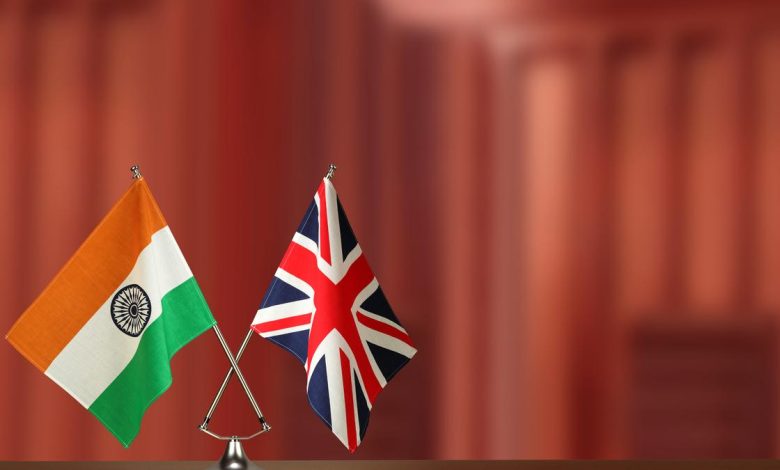
On June 2, a crucial meeting is scheduled between U.K. Secretary of State for Business and Trade Peter Kyle and India’s Commerce and Industry Minister Piyush Goyal. The discussions are expected to heavily focus on issues concerning steel safeguards and the Carbon Border Adjustment Mechanism (CBAM), both of which remain significant sticking points in the implementation of the India-U.K. trade pact.

Steel safeguards refer to protective measures adopted by Britain to shield its domestic steel industry from surges in imports that could disrupt local markets. The United Kingdom has been keen to maintain these protections, citing concerns about unfair competition from cheaper or subsidized steel imports. Meanwhile, India views these measures with caution, emphasizing the need for fair trade that does not hinder access for Indian steel products in the U.K. market.
Equally complex is the Carbon Border Adjustment Mechanism, a carbon tax policy designed to levy fees on imports based on their carbon footprint. The U.K., aligning with global efforts to reduce carbon emissions, aims to enforce CBAM to ensure imported goods adhere to environmental standards comparable to domestic production. However, India, classified as a developing country, has raised questions about the fairness and timelines of these environmental regulations, highlighting concerns that such taxes might affect the competitiveness of its exports.
The synergy between climate policies and trade agreements has become a delicate balancing act for both nations. While the U.K. pushes for robust environmental safeguards and market protections, India advocates for equitable terms that support its growth and development objectives. Negotiators from both sides are expected to seek common ground that aligns economic and environmental priorities without compromising either party’s core interests.
Experts suggest that resolving these issues will be vital for advancing the comprehensive bilateral trade agreement, which aims to boost trade volumes, enhance cooperation, and strengthen economic ties in a post-Brexit global landscape. The June 2 meeting represents a pivotal moment to address these concerns transparently and constructively, setting the tone for future bilateral engagement.
Both governments have expressed optimism about finding mutually acceptable solutions, emphasizing sustained dialogue and collaboration. Stakeholders are closely watching the talks, given their potential implications for international trade norms, environmental policy integration, and the future trajectory of U.K.-India relations.